
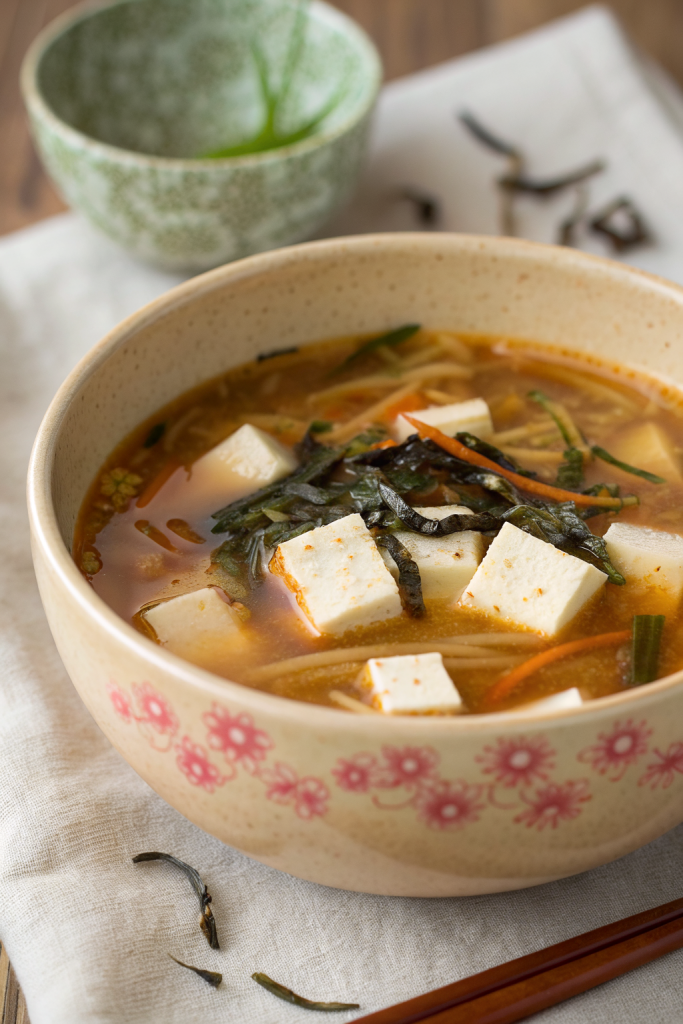
10 Japanese Recipe Ideas like chicken katsu curry, salmon teriyaki, miso soup, okonomiyaki, gyudon, yakisoba, onigiri, chicken karaage, tofu donburi, and matcha panna cotta bring salty-sweet umami, cozy comfort, and a little street-food fun to your kitchen. These recipes suit busy weeknights, meal prep fans, and anyone who wants big flavor in about 20 to 60 minutes total. I first cooked half of these in a tiny apartment kitchen with one pan and a questionable stove, so I promise they stay very home-cook friendly.
Why Make This 10 Japanese Recipe Ideas at Home
You control the salt, sugar, and oil at home, so these Japanese recipes taste cleaner and fresher than most takeout. You also adjust spice levels, swap proteins, and tweak textures without side-eye from a server.
You save money, especially with dishes like miso soup, gyudon, and onigiri that stretch pantry staples into full meals. You also learn core Japanese techniques like quick marinades, light battering, and umami-rich broths that you reuse in your everyday cooking.
“These 10 Japanese Recipe Ideas taste like my favorite restaurant menu, but my wallet and weeknight schedule finally feel calm again. ★★★★★”
Ingredients You Need
Core pantry items
- Soy sauce: Use a good-quality Japanese-style soy sauce such as Kikkoman or Yamasa. Low-sodium soy works well if you watch salt.
- Mirin: Sweet rice seasoning that gives teriyaki, gyudon, and sauces that glossy finish. If you cannot find mirin, mix 3 parts rice vinegar with 1 part sugar and taste.
- Sake or cooking sake: Adds depth to sauces and marinades. If you avoid alcohol, use low-sodium broth plus a tiny splash of rice vinegar.
- Miso paste: White (shiro) miso tastes mild and slightly sweet, perfect for miso soup and marinades. Red miso tastes stronger and suits heartier dishes.
- Dashi stock: Use instant dashi granules for speed, or keep dashi packets in the pantry. In a pinch, use light chicken or vegetable broth with a splash of soy.
- Rice vinegar: Essential for sushi rice seasoning and bright dressings.
- Sugar and honey: Balance salty soy sauces and miso. Brown sugar gives a deeper flavor to gyudon and teriyaki.
- Neutral oil: Use canola, vegetable, or grapeseed oil for frying and stir-frying.
- Sesame oil: Use a small drizzle at the end of cooking for aroma, not as a main cooking oil.
Fresh produce
- Onions: Yellow onions for gyudon, yakisoba, and curry. Green onions for miso soup, rice bowls, and garnish.
- Garlic and ginger: Fresh cloves and knobs give the best flavor for marinades, stir-fries, and curry.
- Carrots, cabbage, and bell peppers: Use in yakisoba, okonomiyaki, and curry. Pre-shredded coleslaw mix saves time for okonomiyaki.
- Potatoes: Waxy potatoes hold shape in katsu curry.
- Mushrooms: Shiitake taste classic, but button or cremini work if that is what you have.
- Lemons or limes: Add brightness to karaage and fish dishes.
Proteins
- Chicken thighs: Use for chicken katsu, karaage, and curry. Thighs stay juicy and forgiving.
- Chicken breasts: Work for katsu if you pound them thin.
- Thinly sliced beef: Use for gyudon. Look for hot pot or sukiyaki slices, or slice a partially frozen steak very thin.
- Salmon fillets: Use skin-on fillets for teriyaki so they stay moist.
- Firm or extra-firm tofu: Press it for donburi bowls and pan-frying.
- Eggs: Use for katsu breading, okonomiyaki batter, and soft-yolk toppings for rice bowls.
Carbs and starches
- Short-grain Japanese rice: Gives the right sticky texture for onigiri and rice bowls. Brands like Nishiki or Kokuho Rose work well.
- Panko breadcrumbs: Essential for that shatteringly crisp katsu and karaage coating.
- Wheat noodles: Use yakisoba noodles or any thick stir-fry noodle. In a pinch, use instant ramen noodles without the flavor packet.
- Cornstarch or potato starch: Use for karaage coating and light thickening of sauces.
Extras and toppings
- Katsu sauce or tonkatsu sauce: A thick, tangy sauce for katsu. Mix ketchup, Worcestershire, and soy if you cannot find it.
- Japanese curry roux blocks: Pantry shortcut for katsu curry. Choose mild, medium, or hot.
- Kewpie mayo: Creamy Japanese mayonnaise for okonomiyaki and onigiri fillings. Regular mayo works if you season it with a bit of sugar and rice vinegar.
- Furikake: Rice seasoning with seaweed, sesame, and sometimes dried fish. Sprinkle on rice bowls and onigiri.
- Nori sheets: Use for wrapping onigiri and garnishing bowls.
- Matcha powder: Culinary grade works best for matcha panna cotta.
Basic equipment
- Large nonstick skillet or frying pan
- Heavy Dutch oven or deep pot for curry and frying
- Wire rack and sheet pan for draining fried foods
- Rice cooker or a pot with a tight lid
- Mixing bowls, whisk, and measuring cups
- Sharp chef’s knife and cutting board
- Small saucepan for sauces and panna cotta
Tips & Mistakes
- Use short-grain rice for onigiri and rice bowls, since long-grain rice will not hold shape or give the right chew.
- Pat chicken and tofu dry before coating, or the breading will slide off in the pan.
- Heat oil long enough before frying; if the oil sits too cool, katsu and karaage soak up grease instead of crisping.
- Slice beef and veggies thin for gyudon and yakisoba so they cook quickly and stay tender.
- Taste sauces as you go, since soy, miso, and curry roux brands vary in saltiness.
- Do not crowd the pan when you fry or stir-fry, or you will steam food instead of browning it.
- Press tofu for at least 15 minutes so it absorbs marinade and browns nicely.
- Chill onigiri slightly before wrapping in nori, or the seaweed turns soggy fast.
- Use instant dashi granules on busy nights, and save homemade dashi for weekends.
- Let fried foods rest on a wire rack, not paper towels, so the bottom stays crisp.
How to Make 10 Japanese Recipe Ideas
1. Chicken Katsu Curry
Step 1: Prep rice and curry base
Rinse short-grain rice until the water runs mostly clear, then cook it in a rice cooker or pot. While the rice cooks, slice onions, carrots, and potatoes into bite-size pieces. Heat oil in a pot, then sauté onions until they turn lightly golden and sweet.
Add carrots and potatoes, stir, then cover with water or light broth. Bring to a gentle boil, skim any foam, then lower the heat and simmer until the veggies turn tender.
Step 2: Add curry roux
Turn off the heat and stir in Japanese curry roux blocks. Let them melt, then turn the heat back to low and stir until the sauce thickens and turns glossy. Adjust thickness with a splash of water if it looks too thick.
Taste and add a pinch of sugar or soy sauce if you want more sweetness or depth. Keep the curry warm on low heat while you cook the chicken.
Step 3: Bread and fry chicken
Pound chicken breasts or thighs to an even thickness. Season with salt and pepper, then coat in flour, dip in beaten egg, and press into panko breadcrumbs. Heat about half an inch of oil in a skillet until a breadcrumb sizzles on contact.
Fry chicken until golden and cooked through, flipping once. Move pieces to a wire rack to stay crisp. Slice into strips.
Step 4: Assemble the bowl
Scoop hot rice into bowls, ladle curry over one side, and lay sliced chicken katsu on top. Drizzle a little katsu sauce over the chicken if you like. Add pickled ginger or a simple cucumber salad on the side for freshness.
2. Salmon Teriyaki
Step 1: Mix teriyaki sauce
Stir soy sauce, mirin, sake or broth, and sugar or honey in a small bowl. Grate a little garlic and ginger into the mix for extra flavor. Taste and adjust sweetness to your liking.
Step 2: Sear salmon
Pat salmon fillets dry and season lightly with salt. Heat a bit of oil in a nonstick pan over medium heat. Place salmon skin-side down and cook until the skin turns crisp and the sides turn opaque halfway up.
Flip and cook the other side until almost done. You want the center slightly translucent so it stays juicy.
Step 3: Glaze with sauce
Pour the teriyaki sauce into the pan around the salmon. Let it bubble and thicken while you spoon it over the fillets. Once the sauce turns syrupy and coats the fish, turn off the heat.
Serve salmon over rice with steamed broccoli or green beans, and drizzle extra sauce on top.
3. Classic Miso Soup
Step 1: Heat dashi
Add water and instant dashi granules to a pot and bring it to a gentle simmer. Taste and adjust the strength so it tastes savory but not too salty. Keep the heat low so the broth stays clear.
Step 2: Add tofu and seaweed
Cut firm tofu into small cubes and soak dried wakame seaweed in water until it plumps. Add tofu and drained wakame to the hot dashi. Simmer just a couple of minutes so the tofu warms through.
Step 3: Whisk in miso
Turn off the heat. Scoop some hot broth into a small bowl, whisk in miso paste until smooth, then pour it back into the pot. Stir gently and avoid boiling after you add miso, since high heat dulls the flavor.
Top each bowl with sliced green onions and serve alongside rice or a simple grilled protein.
4. Okonomiyaki (Savory Cabbage Pancakes)
Step 1: Mix batter
Whisk flour, dashi or water, eggs, and a pinch of salt in a bowl until smooth. Fold in finely shredded cabbage, sliced green onions, and any add-ins like chopped shrimp or thin pork slices. The batter should look thick and packed with cabbage.
Step 2: Cook pancakes
Heat a nonstick skillet with a bit of oil over medium heat. Spoon in a mound of batter and shape it into a thick pancake. Cook until the bottom turns golden and the edges look set.
Flip carefully and cook the other side until the center feels firm and cooked through. You can cover the pan for a minute to help it cook evenly.
Step 3: Sauce and toppings
Slide the pancake onto a plate and brush with okonomiyaki sauce or a quick mix of ketchup, Worcestershire, and soy. Zigzag Kewpie mayo over the top. Sprinkle with bonito flakes, seaweed flakes, and extra green onions if you have them.
5. Gyudon (Beef Rice Bowl)
Step 1: Make the simmering sauce
Combine dashi, soy sauce, mirin, sake or broth, and sugar in a pan. Bring to a gentle simmer. Slice onions into thin wedges and add them to the sauce.
Cook until the onions turn soft and sweet. Taste the broth and adjust salt or sugar.
Step 2: Add beef
Add thinly sliced beef to the simmering sauce in loose layers. Stir gently so the slices separate and cook evenly. Cook just until the beef turns brown and tender.
Skim any foam or excess fat if you like a lighter bowl. Keep the mixture warm on low heat.
Step 3: Build the bowl
Scoop hot rice into bowls. Spoon beef and onions over the top along with some of the sauce. Garnish with pickled ginger and sliced green onions.
Add a soft-cooked egg on top if you want extra richness.
6. Yakisoba (Stir-Fried Noodles)
Step 1: Prep noodles and sauce
Mix a quick sauce with Worcestershire, soy sauce, ketchup, and a little sugar. Loosen yakisoba noodles under hot water if they come packed tight. Slice cabbage, carrots, onions, and any protein like pork or chicken into thin strips.
Step 2: Stir-fry ingredients
Heat oil in a large skillet. Stir-fry protein until it cooks through, then move it to one side. Add veggies and cook until they soften but still keep a bit of crunch.
Add noodles and a splash of water to help them loosen and heat through. Toss everything together.
Step 3: Sauce and finish
Pour the yakisoba sauce over the noodles and toss until everything looks coated and glossy. Taste and adjust seasoning. Top with pickled ginger, aonori, and a drizzle of mayo if you like.
7. Onigiri (Rice Balls)
Step 1: Season and prep rice
Cook short-grain rice and let it cool until warm but not hot. Season lightly with salt or a bit of furikake. Prepare fillings like tuna mayo, flaked salmon, or pickled plum.
Step 2: Shape onigiri
Wet your hands with water and rub a little salt on them. Scoop a handful of rice, flatten it slightly, and place a spoonful of filling in the center. Wrap rice around the filling and shape it into a triangle or ball.
Press gently but firmly so it holds together without crushing the grains.
Step 3: Wrap and serve
Cut nori sheets into strips and wrap around the bottom or sides of each onigiri. Serve right away for crisp nori, or pack them for lunch and accept slightly softer seaweed. Add extra furikake on the outside if you want more flavor.
8. Chicken Karaage
Step 1: Marinate chicken
Cut boneless chicken thighs into bite-size chunks. Mix soy sauce, grated garlic, grated ginger, and a little sake or broth with sugar. Toss chicken in the marinade and chill for at least 20 minutes, or up to a few hours.
Step 2: Coat in starch
Mix cornstarch or potato starch with a bit of flour in a shallow dish. Dredge each piece of chicken in the mixture and shake off excess. The coating should look thin and even.
Step 3: Fry until crisp
Heat oil in a deep pot or skillet to about 340–350°F. Fry chicken in batches until golden and cooked through, turning once. Move pieces to a wire rack to stay crisp.
Serve with lemon wedges and a simple shredded cabbage salad.
9. Tofu Donburi (Tofu Rice Bowl)
Step 1: Press and marinate tofu
Press firm tofu between towels with a weight on top for at least 15 minutes. Cut into cubes or slabs. Mix soy sauce, mirin, a little sugar, and grated ginger, then toss tofu in the mixture.
Step 2: Pan-fry tofu
Heat a bit of oil in a nonstick pan. Add tofu pieces and cook on all sides until golden and slightly crisp. Pour any leftover marinade into the pan and let it bubble and coat the tofu.
Step 3: Assemble the bowl
Fill bowls with hot rice. Top with tofu, steamed veggies, and sliced green onions. Drizzle any extra sauce from the pan over the top and sprinkle with sesame seeds or furikake.
10. Matcha Panna Cotta
Step 1: Bloom gelatin
Sprinkle powdered gelatin over a small bowl of cold water and let it sit until it softens. Heat milk and cream in a saucepan with sugar until hot but not boiling. Whisk matcha powder with a bit of warm milk until smooth, then add it to the pot.
Step 2: Combine and chill
Remove the pot from heat and stir in the bloomed gelatin until it dissolves. Taste and adjust sweetness if needed. Pour the mixture through a fine strainer into small cups or ramekins.
Chill until set, at least 4 hours. Serve with fresh berries or a small spoonful of sweet red bean paste.
Variations I've Tried
I swap chicken in katsu curry with pork cutlets or even thick slices of roasted eggplant for a lighter option. I also use the teriyaki sauce on tofu or shrimp when I want something quick and lean. Yakisoba turns into a fridge-cleanout dish, since almost any leftover veggie or cooked meat fits right in.
Onigiri fillings change with my mood, from spicy tuna to leftover teriyaki salmon or even seasoned scrambled eggs. I flavor miso soup with mushrooms, spinach, or clams when I want a more filling bowl. Matcha panna cotta also tastes great with a swirl of vanilla or a little coconut milk in the base.
How to Serve 10 Japanese Recipe Ideas
Serve chicken katsu curry, gyudon, tofu donburi, and salmon teriyaki over hot bowls of rice with a side of miso soup and a simple cucumber salad. Offer yakisoba and okonomiyaki as main dishes with steamed veggies or a crisp green salad. Pack onigiri and karaage in lunch boxes with cut fruit, cherry tomatoes, and edamame for a balanced meal.
Finish with matcha panna cotta as a cool dessert alongside hot green tea or iced barley tea. Mix and match two or three recipes from the list to build a full Japanese-style dinner without overwhelming yourself.
How to store
- Chicken katsu, karaage, and fried tofu: Cool completely, then store in an airtight container in the fridge for up to 3 days; reheat on a wire rack in a hot oven or air fryer so the coating crisps again.
- Curries, gyudon beef, and teriyaki salmon: Store in the fridge for up to 3 days or freeze for up to 2 months; reheat gently on the stove with a splash of water or broth.
- Miso soup: Keep the broth and miso separate if possible; store broth and tofu in the fridge up to 3 days, then stir in miso after reheating.
- Rice and onigiri: Store plain rice in the fridge for up to 3 days and reheat with a sprinkle of water; eat onigiri within 1 day for best texture.
- Yakisoba and okonomiyaki: Store in the fridge up to 3 days; reheat in a skillet over medium heat with a tiny splash of water to loosen.
- Matcha panna cotta: Cover each cup and chill up to 4 days; serve straight from the fridge without reheating.