
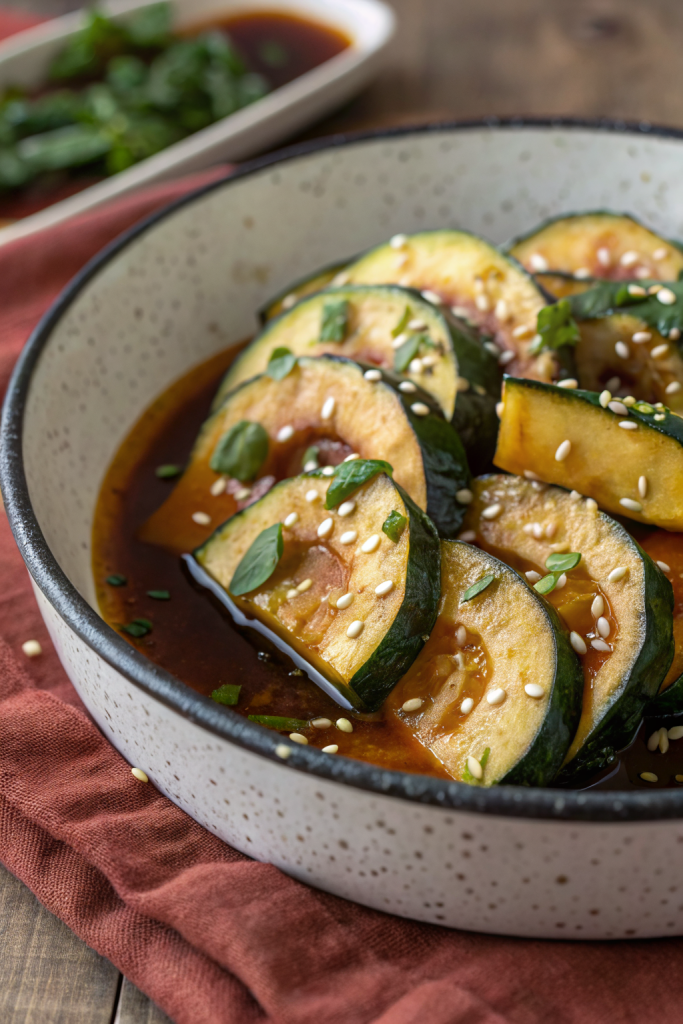
Hibachi Zucchini Recipe tastes smoky, buttery, and garlicky with just enough soy to remind you of your favorite Japanese steakhouse, and it works perfectly for busy weeknights since it takes about 20 minutes from start to finish. This side dish suits veggie lovers, picky eaters, and anyone who wants a restaurant-style hibachi experience without leaving the house. I tested versions of this on my tiny apartment stove years ago, so if my old burner handled it, your kitchen can too.
Why You Should Try This Hibachi Zucchini Recipe
This hibachi zucchini recipe delivers tender-crisp veggies with caramelized edges and a savory garlic-soy flavor that tastes like it came off a teppan grill. You control the salt, oil, and butter, so it stays lighter than takeout but still tastes rich and satisfying.
You can serve it with almost any protein, from chicken and shrimp to tofu and eggs, so it fits into a lot of different dinners. Cleanup stays easy, since you only need one pan and a cutting board.
“Tastes exactly like my favorite hibachi spot, but fresher and somehow more addictive. ★★★★★”
Ingredients You’ll Need
Vegetables
- 2 medium zucchini, halved lengthwise and sliced into half-moons
- 1 small yellow squash, halved and sliced (optional, but adds color and sweetness)
- 1 small yellow onion, sliced into thin wedges
- 1 small carrot, cut into thin matchsticks or coins
- 1 cup sliced mushrooms (white or cremini work great)
- 2 green onions, sliced (white and green parts separated)
Aromatics
- 3 cloves garlic, minced
- 1 teaspoon fresh ginger, minced or grated
- Use ginger paste from a tube as a shortcut if you like.
Fats
- 1 tablespoon neutral oil (avocado, canola, or vegetable oil)
- 1 tablespoon toasted sesame oil
- 1–2 tablespoons unsalted butter
- Use vegan butter if you want a dairy-free version.
Seasonings & Sauces
- 2–3 tablespoons low-sodium soy sauce or tamari
- Use tamari or coconut aminos for gluten-free needs.
- 1 teaspoon rice vinegar
- 1 teaspoon sugar or honey
- 1 teaspoon sesame seeds
- 1/4 teaspoon black pepper
- 1/4 teaspoon crushed red pepper flakes (optional, for a little heat)
- 1/4 teaspoon garlic powder (optional, for extra garlicky flavor)
- Kosher salt, to taste
Optional Add-ins
- 1 cup bean sprouts, rinsed and drained
- 1/2 cup snap peas or snow peas
- 1/2 block firm tofu, cubed and patted dry
- 1 tablespoon Japanese-style mayo or regular mayo for drizzling at the end
Equipment
- Large cast iron skillet, stainless skillet, or flat griddle
- A wok also works well if you have one.
- Cutting board and sharp knife
- Spatula or wooden spoon
- Small bowl for mixing sauce
Tips & Tricks
- Pat zucchini and other veggies dry so they brown instead of steaming.
- Cut zucchini into similar-size half-moons so they cook evenly and stay crisp-tender.
- Preheat your pan until a drop of water sizzles and evaporates quickly to mimic hibachi-style high heat.
- Cook in batches if your pan feels crowded, then combine everything at the end.
- Use low-sodium soy sauce so you can season with salt at the end without oversalting.
- Add butter at the end of cooking so it coats the veggies and does not burn.
- Toss veggies frequently but not constantly so they get some char on the edges.
- Taste before serving and adjust with a splash of soy, a pinch of sugar, or a squeeze of rice vinegar.
How to Make Hibachi Zucchini Recipe
Step 1: Mix the hibachi-style sauce
Add soy sauce, rice vinegar, sugar or honey, black pepper, and red pepper flakes to a small bowl. Stir until the sugar dissolves. Set the bowl near the stove so you can grab it quickly while the veggies cook.
Step 2: Prep and dry the vegetables
Slice zucchini, yellow squash, onion, carrot, and mushrooms. Use a clean kitchen towel or paper towels to blot the cut surfaces dry. This step helps the hibachi zucchini recipe develop that nice golden color instead of turning watery.
Step 3: Heat the pan properly
Place your skillet or griddle over medium-high heat. Let it heat for 2 to 3 minutes until it feels hot when you hold your hand a few inches above the surface. Add the neutral oil and swirl to coat the bottom.
Step 4: Sauté veggies and aromatics
Add onion and carrot to the hot pan and cook 3 to 4 minutes, stirring often, until they start to soften and pick up some color. Add mushrooms and cook another 2 minutes. Stir in zucchini and yellow squash and cook 3 to 4 minutes, tossing occasionally, until the zucchini turns bright green with lightly browned edges but still feels firm in the center.
Push the veggies to the sides of the pan and add a small drizzle of oil to the center if the pan looks dry. Add garlic, ginger, and the white parts of the green onions to the center and cook about 30 seconds, stirring, until they smell fragrant. Toss everything together so the aromatics coat the vegetables.
Step 5: Add sauce and finish with butter
Pour the soy mixture around the edges of the pan so it sizzles and slides under the veggies. Toss quickly so every piece of zucchini and mushroom gets a glossy coating. Let the sauce bubble for 1 to 2 minutes so it thickens slightly and clings to the vegetables.
Reduce the heat to medium-low. Add butter and sesame oil, then toss until the butter melts and coats the veggies. Taste and add a pinch of salt or a splash more soy if you want stronger flavor.
Step 6: Garnish and serve
Turn off the heat and sprinkle sesame seeds and the green parts of the green onions over the hibachi zucchini. Give everything one last toss. Serve hot right from the skillet or transfer to a warm serving dish.
What to Serve with Hibachi Zucchini Recipe
This hibachi zucchini recipe pairs perfectly with steamed white rice, brown rice, or simple fried rice. You can add grilled chicken, shrimp, steak strips, or crispy tofu on the side to turn it into a full hibachi-style dinner. Miso soup, cucumber salad, or a simple green salad round out the meal nicely. Serve with iced green tea, sparkling water with lemon, or a fruity mocktail to keep things refreshing.
Storage Options
- Store leftover hibachi zucchini in an airtight container in the fridge for up to 3 days.
- Reheat in a hot skillet with a tiny splash of water or soy sauce until warmed through, about 3 to 4 minutes.
- Use the microwave for quick lunches, heating in 30-second bursts and stirring between each.
- Freeze only if needed, up to 1 month, and expect the zucchini to soften more after thawing.
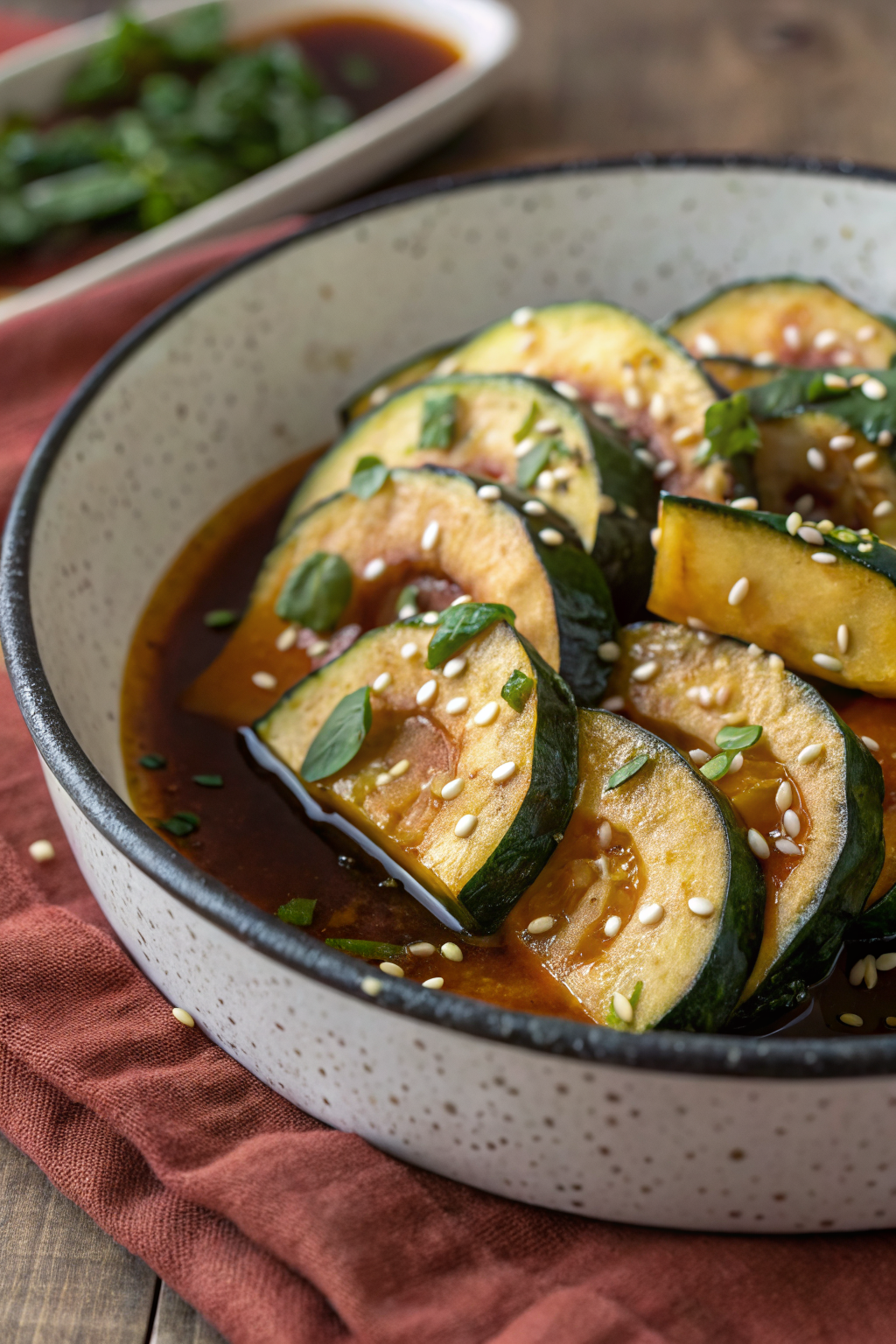
Hibachi Zucchini Recipe
Ingredients
Instructions
- In a small bowl, mix the soy sauce, rice vinegar, sugar or honey, black pepper, and red pepper flakes (if using) until the sugar dissolves. Keep the sauce near the stove.
- Prep the zucchini, yellow squash, onion, carrot, mushrooms, and green onions as directed. Pat all cut vegetables dry with a clean towel or paper towels so they brown instead of steaming.
- Heat a large skillet, griddle, or wok over medium-high heat for 2 to 3 minutes until very hot. Add the neutral oil and swirl to coat the pan.
- Add the onion and carrot to the hot pan and cook for 3 to 4 minutes, stirring often, until they begin to soften and brown at the edges. Add the mushrooms and cook for another 2 minutes.
- Stir in the zucchini and yellow squash and cook for 3 to 4 minutes, tossing occasionally, until the zucchini is bright green with lightly browned edges but still firm in the center.
- Push the vegetables to the sides of the pan. If the center looks dry, add a small drizzle of oil. Add the garlic, ginger, and white parts of the green onions to the center and cook for about 30 seconds, stirring, until fragrant, then toss everything together.
- Pour the soy sauce mixture around the edges of the pan so it sizzles and slides under the vegetables. Toss well so all the vegetables are coated. Let the sauce bubble for 1 to 2 minutes until it slightly thickens and clings to the vegetables.
- Reduce the heat to medium-low. Add the butter and toasted sesame oil, then toss until the butter melts and coats the vegetables. Taste and add a pinch of salt or a splash more soy sauce if needed.
- Turn off the heat and sprinkle with sesame seeds and the green parts of the green onions. Give everything a final toss and serve hot from the skillet or transfer to a warm serving dish.
Notes
Approximate per serving (4 servings, without optional add-ins or mayo): 150–180 calories; fat 11 g; saturated fat 3–4 g; carbohydrates 11–13 g; fiber 2–3 g; sugars 6–7 g; protein 4–5 g; sodium 420–520 mg. Values will vary based on exact vegetables used, soy sauce brand, butter amount, and portion size.
Leave a Reply