
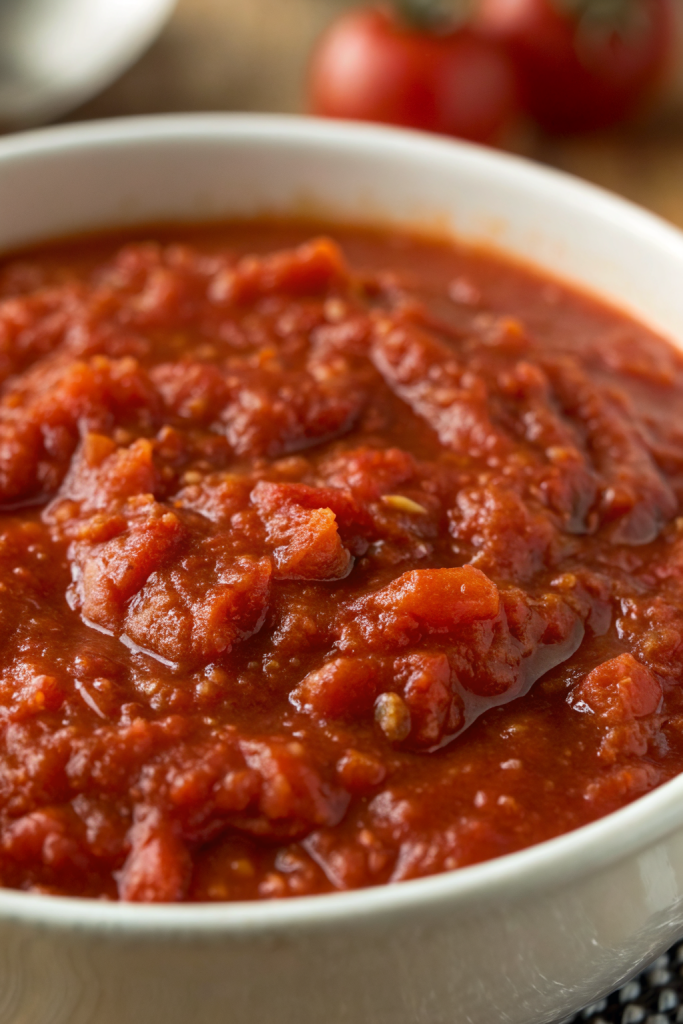
Best Ways To Preserve Tomatoes brings out that sweet-acidic tomato punch that tastes like late summer in every bite, perfect for anyone who wants garden flavor all year in about a weekend of light, satisfying kitchen work. It suits home gardeners drowning in tomatoes, busy parents who love quick pantry meals, and anyone who hates wasting gorgeous produce. I started preserving tomatoes in a tiny apartment kitchen with one wobbly pot, so if I managed it, you absolutely can too.
Why You Should Try This Best Ways To Preserve Tomatoes
Tomatoes hit peak flavor for only a short window, then vanish or turn bland and mealy. When you preserve them well, you lock in that rich, sun-kissed taste and keep it ready for soups, sauces, stews, and quick weeknight pasta. You also control the salt, sugar, and spices, which beats most store-bought jars.
You save money when you stash tomatoes in jars, bags, and containers instead of tossing them or overpaying in winter. You also cut food waste and build a pantry that practically cooks dinner for you. Future you will thank present you every time you open a jar of bright red tomato goodness in January.
“This Best Ways To Preserve Tomatoes guide turned my overflowing tomato haul into the tastiest pantry stash I have ever had, and now I brag about it every winter. ★★★★★”
Ingredients You’ll Need
Below you will find flexible ingredient lists for the three most useful methods: freezing, oven drying, and water-bath canning as crushed tomatoes. You can mix and match based on your time, space, and tomato situation.
Core Tomato Ingredients
-
Fresh tomatoes
- Any variety works, but choose ripe, firm, and unblemished ones.
- Roma or plum tomatoes: great for sauce, canning, and oven drying because they hold less water.
- Cherry or grape tomatoes: perfect for roasting and freezing in small bags.
- Beefsteak or heirloom: amazing flavor, great for crushed tomatoes and freezer sauce.
-
Salt
- Use kosher salt or fine sea salt.
- Avoid iodized table salt for canning, since it can cloud the jars and taste harsh.
-
Acid for safe canning
- Bottled lemon juice (consistent acidity, brands like ReaLemon work well).
- Or distilled white vinegar (5 percent acidity).
- Do not skip this in water-bath canning; it keeps the tomatoes safely acidic.
Optional Flavor Boosters
Use these when you roast or freeze tomatoes, not for basic canned crushed tomatoes, since herbs and garlic can change safety guidelines.
- Olive oil: extra virgin for flavor, regular for roasting at higher heat.
- Garlic cloves: roast with tomatoes, then freeze together.
- Fresh herbs: basil, thyme, oregano, rosemary; add to roasted or frozen tomatoes, not to plain canned jars.
- Black pepper and red pepper flakes: season roasted tomatoes or freezer sauce.
- Sugar: a pinch helps balance very acidic tomatoes, especially in sauce.
Pantry Shortcuts & Substitutions
- Canned tomato paste: stir into thawed frozen tomatoes to thicken quick sauces.
- Pre-minced garlic in oil: use for roasting or freezer sauce when you feel tired or rushed.
- Dried herbs (Italian seasoning, dried basil, oregano): keep flavor consistent when fresh herbs look sad.
- Bottled lemon juice: use instead of fresh for canning, since it keeps acidity stable.
Equipment List
You do not need fancy gear, but a few basics help a lot.
- Large stock pot or Dutch oven
- Sharp knife and cutting board
- Large mixing bowls
- Baking sheets with rims
- Parchment paper or silicone baking mats
- Slotted spoon and ladle
- Canning funnel (wide mouth)
- Jar lifter or sturdy tongs
- Clean glass jars with new lids and rings (Mason or Ball style)
- Large canning pot or deep stock pot with a rack or folded kitchen towel on the bottom
- Freezer-safe bags or containers (I like quart-size zip-top bags)
- Permanent marker for labeling dates and contents
Tips & Tricks
- Choose tomatoes that feel heavy for their size and smell fragrant at the stem.
- Avoid moldy or badly bruised tomatoes for canning; use those only for same-day cooking.
- Score a small X on the bottom of each tomato and blanch in boiling water 30 to 60 seconds, then shock in ice water to slip skins off easily.
- Peel tomatoes for smoother sauces and canned crushed tomatoes; keep skins on for rustic roasted or dried tomatoes.
- Salt tomatoes lightly while they roast or simmer; you can always add more later in recipes.
- Roast tomatoes low and slow at about 250–275°F to concentrate flavor without burning.
- Cool roasted or cooked tomatoes completely before freezing to avoid ice crystals.
- Freeze tomatoes in thin, flat bags so they stack nicely and thaw quickly.
- Label every bag and jar with date, variety, and method so you rotate older batches first.
- Keep herbs and garlic out of basic canned tomatoes unless you follow a tested recipe that includes them.
- Use bottled lemon juice for canning instead of fresh to keep acidity consistent.
- Leave proper headspace in jars (usually 1/2 inch) so jars seal well.
- Tighten jar rings finger-tip tight, not bodybuilder tight, so air can escape during processing.
- Let jars cool undisturbed for 12 to 24 hours, then remove rings and check seals.
- Store sealed jars in a cool, dark place and use within 12 to 18 months for best flavor.
How to Make Best Ways To Preserve Tomatoes
Below you will find three main methods: freezing, oven drying, and water-bath canning of crushed tomatoes. You can choose one or use all three based on how many tomatoes you have and how much time you want to spend.
Step 1: Prep and Blanch the Tomatoes
Bring a large pot of water to a boil and set up a big bowl of ice water nearby. Rinse tomatoes, cut out the cores, and slice a shallow X on the bottom of each one. Drop tomatoes into the boiling water in batches and cook 30 to 60 seconds, just until skins loosen. Move them to the ice water with a slotted spoon, then peel off the skins with your fingers or a small knife.
Cut peeled tomatoes into halves or quarters, depending on size. Scoop out some seeds if you want a smoother texture, or leave them in if you do not mind them. At this point you can divide the tomatoes into separate bowls for different methods: some for freezing, some for roasting, and some for canning.
Step 2: Freeze Tomatoes (Fastest Method)
You can freeze tomatoes raw or cooked. Raw tomatoes work best for soups, stews, and long-simmered sauces, while cooked ones taste richer and thicker.
Option A: Freeze Raw Tomato Chunks
Pat tomato pieces dry with a clean towel to reduce extra moisture. Spread them in a single layer on a parchment-lined baking sheet and place the tray in the freezer until the pieces turn solid, about 2 to 3 hours. Transfer frozen chunks to labeled freezer bags, press out extra air, flatten the bags, and seal.
Use these frozen chunks in chili, curry, braises, and pasta sauce. They will soften when they thaw, so they work best in cooked dishes, not salads.
Option B: Freeze Simple Tomato Sauce
Add peeled tomato chunks to a large pot and bring them to a gentle simmer over medium heat. Crush them with a potato masher or the back of a spoon. Add a pinch of salt and cook 30 to 45 minutes, stirring often, until the sauce thickens and tastes rich.
Cool the sauce to room temperature. Portion into freezer containers or bags, label, and freeze. When you want dinner, thaw a bag in the fridge or in a bowl of cool water, then simmer with garlic, herbs, or a splash of cream for a quick pasta sauce.
Step 3: Oven Dry Tomatoes (Best Flavor Boost)
Preheat your oven to 250–275°F and line baking sheets with parchment or silicone mats. Slice Roma or plum tomatoes lengthwise into halves or thick slices. For cherry tomatoes, slice them in half. Arrange them cut side up on the trays.
Drizzle lightly with olive oil and sprinkle with salt and optional pepper or dried herbs. Slide the trays into the oven and bake 2.5 to 4 hours, depending on size and juiciness. Check every 30 minutes after the 2-hour mark. You want tomatoes that look shriveled and chewy, not completely brittle.
Cool the oven-dried tomatoes completely. Pack them into small containers or bags and freeze for long storage. You can also store them in the fridge for a week in a jar with olive oil, but keep that for short-term use only.
These concentrated tomatoes taste amazing in sandwiches, salads, frittatas, and on top of pizza or flatbread. I toss them into quick skillet dinners with chicken, beans, or pasta when I need big flavor in a hurry.
Step 4: Can Crushed Tomatoes with a Water Bath
This method takes more steps, but it gives you shelf-stable jars that sit in your pantry and wait for cozy soup nights. Always follow safe canning practices and use clean, hot jars.
Prep the Jars and Pot
Wash jars, lids, and rings in hot soapy water, then rinse well. Place jars in a large canning pot or deep stock pot, cover with water, and bring to a simmer. Keep jars hot until you fill them. Keep lids in a small pot of hot (not boiling) water so they stay clean and ready.
Cook the Crushed Tomatoes
Add peeled tomato pieces to a large pot and crush them slightly with a masher. Turn heat to medium and bring the tomatoes to a gentle boil. Stir often and cook at least 10 minutes so the tomatoes heat through and release juices. Taste and add a bit of salt if you like, but keep it light.
Acidify and Fill the Jars
Pull one hot jar from the pot and place it on a towel. Add bottled lemon juice to each jar: usually 2 tablespoons per quart or 1 tablespoon per pint. You can use 1/2 teaspoon citric acid per quart instead if you prefer.
Use a ladle and canning funnel to fill the jar with hot crushed tomatoes, leaving 1/2 inch of headspace at the top. Slide a clean chopstick or spatula around the inside to release air bubbles. Wipe the rim with a clean damp cloth, place the lid on top, and screw on the ring until finger-tip tight. Repeat with remaining jars.
Process the Jars
Place filled jars on the rack in the canning pot. Make sure water covers the tops by at least 1 to 2 inches. Bring water to a steady boil, then start timing: usually 35 to 45 minutes for quarts and 25 to 35 minutes for pints, depending on altitude and your trusted recipe. Adjust time if you live at higher elevation.
After processing, turn off heat and let jars sit in the hot water 5 minutes. Lift them out with a jar lifter and set them on a towel, leaving space between jars. Let them cool completely, 12 to 24 hours, without touching the lids.
Check seals by pressing the center of each lid; it should feel firm and not flex up and down. Remove rings, label jars with date, and store in a cool, dark place. If any lid did not seal, move that jar to the fridge and use it within a week.
What to Serve with Best Ways To Preserve Tomatoes
Your preserved tomatoes slide into so many meals that they almost feel like a secret cooking cheat code. Stir frozen sauce or canned crushed tomatoes into pasta with garlic, olive oil, and a shower of grated cheese. Spoon oven-dried tomatoes over avocado toast, grain bowls, or scrambled eggs for a quick flavor upgrade. Add them to vegetable soups, bean stews, or simple skillet dinners with chicken or tofu, and serve with crusty bread or fluffy rice.
Storage Options
- Frozen raw tomato chunks: store in freezer bags up to 8 to 10 months; use directly from frozen in soups and stews.
- Frozen tomato sauce: keep in the freezer up to 6 months; thaw in the fridge overnight or in a bowl of cool water, then reheat gently on the stove.
- Oven-dried tomatoes: store in the fridge up to 1 week in a covered container, or freeze up to 6 months; reheat by stirring into hot dishes or warming briefly in a skillet with a little oil.
- Canned crushed tomatoes: store sealed jars in a cool, dark pantry up to 12 to 18 months; once opened, keep in the fridge and use within 5 to 7 days, reheating on the stove until hot and bubbly.
Leave a Reply