
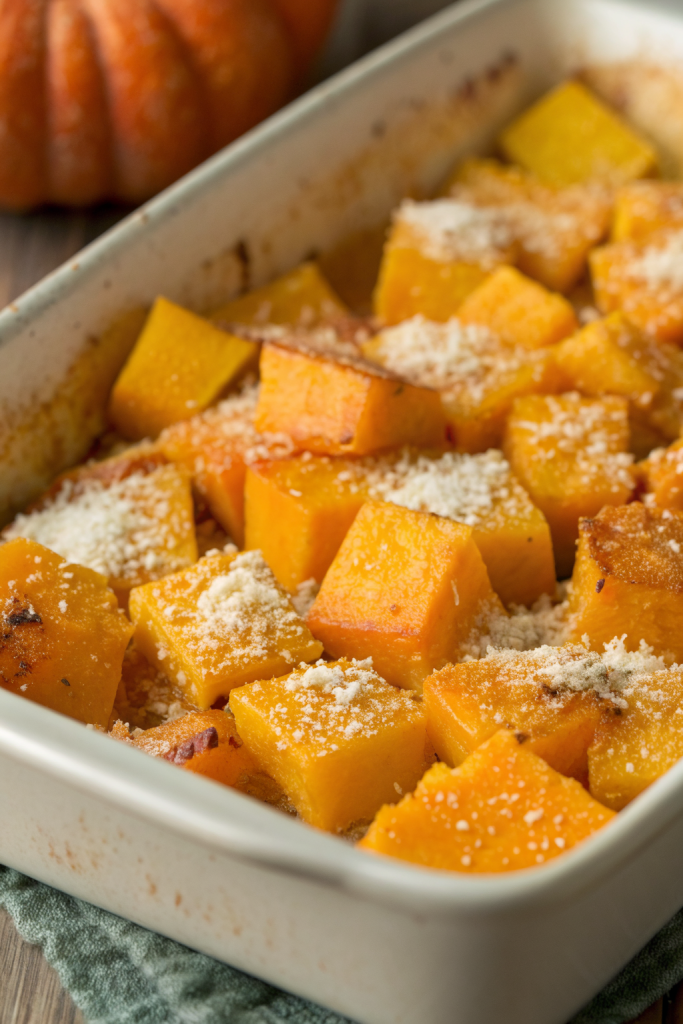
Butternut Squash Casserole Recipe tastes creamy, cozy, and slightly sweet with a crunchy, buttery topping that makes everyone go back for seconds. It works perfectly for busy weeknights or holiday dinners and takes about 1 hour total from start to finish. I first made this on a chilly November evening in my tiny apartment kitchen, and my neighbors still talk about the smell that came from the hallway.
Why Make This Butternut Squash Casserole Recipe at Home
Homemade butternut squash casserole tastes fresher and richer than anything from a box or can. You control the sweetness, the spices, and the texture, so the dish fits your family instead of the other way around.
You also stretch your budget, since butternut squash, onions, and pantry staples cost less than pre-made sides. The casserole holds well, feeds a crowd, and works as both a side and a vegetarian main, which saves you time and stress on busy days and holidays.
“This Butternut Squash Casserole Recipe tastes like dessert disguised as a side dish, and my family scraped the pan clean in minutes. ★★★★★”
Ingredients You Need
Main ingredients
- 1 large butternut squash (about 3 pounds), peeled, seeded, and cubed
- Fresh squash gives the best flavor, but you can use pre-cut squash from the produce section to save time.
- 2 tablespoons olive oil or avocado oil
- 1 small yellow onion, finely chopped
- 2 cloves garlic, minced
- 2 large eggs, lightly beaten
- 1/2 cup whole milk or half-and-half
- Use full-fat coconut milk for a dairy-free version.
- 2 tablespoons melted butter
- Use vegan butter if you keep the casserole dairy-free.
- 1/4 cup sour cream or plain Greek yogurt
- 1/4 cup maple syrup or honey
- 1/4 cup brown sugar, lightly packed
- 1 teaspoon kosher salt, plus more to taste
- 1/2 teaspoon black pepper
- 1 teaspoon ground cinnamon
- 1/4 teaspoon ground nutmeg
- 1/4 teaspoon smoked paprika (optional, for a subtle smoky note)
Crunchy topping
- 1 cup panko breadcrumbs or crushed buttery crackers
- 1/2 cup chopped pecans or walnuts
- 2 tablespoons brown sugar
- 3 tablespoons melted butter
- 1/4 teaspoon cinnamon
- Pinch of salt
If you want a gluten-free topping, use gluten-free panko or crushed gluten-free crackers. If you avoid nuts, skip them and add a few extra tablespoons of crumbs for texture.
Pantry shortcuts & brand notes
- Frozen butternut squash: Use about 2 pounds frozen squash when you feel short on prep time. Thaw and pat dry so the casserole does not turn watery.
- Pre-chopped onion and garlic paste: Use these on extra busy nights. I like refrigerated garlic paste more than the jarred kind, since it tastes closer to fresh.
- Maple syrup: Use pure maple syrup, not pancake syrup. The flavor difference really shows in a simple casserole like this.
Equipment list
- Large pot for boiling or steaming squash
- Large skillet for sautéing aromatics
- Potato masher or immersion blender
- Large mixing bowl
- Whisk and rubber spatula
- 2 to 2.5 quart baking dish (about 8×8 or 9×9 inches, or similar)
- Aluminum foil
- Cooling rack
Tips & Mistakes
- Cut the squash into even cubes so they cook at the same rate and mash smoothly.
- Salt the cooking water for the squash so the flavor starts from the inside, not just the surface.
- Drain the squash very well and let it sit in the hot pot a minute so excess moisture steams off.
- Taste the mashed squash before baking and adjust salt and sweetness; under-seasoned casserole tastes flat.
- Use room temperature eggs and dairy so the mixture blends smoothly without weird curdling.
- Stir the topping ingredients until every crumb looks coated in butter; dry spots bake up pale and bland.
- Cover the casserole loosely with foil if the topping browns too fast while the center still needs time.
- Avoid overbaking; pull the casserole when the edges bubble and the center feels set but still soft.
- Let the casserole rest 10 to 15 minutes before serving so slices hold together.
- Reheat leftovers gently; high heat can dry out the squash and toughen the topping.
How to Make Butternut Squash Casserole Recipe
Step 1: Cook the butternut squash
Peel the butternut squash, slice it in half, scoop out the seeds, and cut it into 1-inch cubes. Bring a large pot of salted water to a boil, then add the squash. Boil until very tender, about 12 to 15 minutes, then drain well and return the squash to the hot pot.
Let the squash sit in the warm pot for 2 to 3 minutes so extra moisture evaporates. This step keeps the casserole from turning soupy and helps the texture stay rich and thick.
Step 2: Sauté veggies and aromatics
Heat 2 tablespoons olive oil in a large skillet over medium heat. Once hot, add the chopped onion and cook until soft and lightly golden, about 7 to 8 minutes. Stir in the minced garlic and cook 1 to 2 minutes, until fragrant, then remove the skillet from the heat.
Scrape the onion and garlic mixture into the pot with the cooked squash. This combo adds savory depth and keeps the casserole from tasting like pure dessert.
Step 3: Mash and season the squash
Use a potato masher or immersion blender to mash the squash with the onions and garlic until mostly smooth. Leave a few small chunks if you like more texture. Season with 1 teaspoon salt, black pepper, cinnamon, nutmeg, and smoked paprika if you use it.
Taste and adjust the seasoning. If the squash tastes bland, add a pinch more salt or another drizzle of maple syrup.
Step 4: Mix the custard base
In a large mixing bowl, whisk the eggs, milk or half-and-half, melted butter, sour cream or Greek yogurt, maple syrup, and brown sugar until smooth. You want a silky mixture with no streaks of egg. Pour this custard mixture into the pot with the mashed squash.
Stir everything together until the squash looks evenly coated and creamy. The mixture should feel thick but pourable, like a loose mashed potato casserole.
Step 5: Transfer to baking dish
Preheat your oven to 350°F and grease a 2 to 2.5 quart baking dish with butter or oil. Pour the squash mixture into the dish and smooth the top with a spatula. Give the dish a gentle tap on the counter to release any large air pockets.
At this point, you can cover the dish and chill it for several hours or overnight if you want to prep ahead. Add the topping right before baking so it stays crisp.
Step 6: Mix the crunchy topping
In a medium bowl, combine panko or crushed crackers, chopped pecans, brown sugar, cinnamon, salt, and melted butter. Stir until every crumb and nut piece looks coated and slightly clumpy. The mixture should feel moist but not greasy.
Sprinkle the topping evenly over the squash mixture. Try not to pack it down; a loose topping bakes up lighter and crunchier.
Step 7: Bake the casserole
Place the baking dish on the center rack and bake at 350°F for 30 to 35 minutes. The edges should bubble gently, the center should feel set, and the topping should look golden brown. If the topping browns too quickly, tent the dish loosely with foil and keep baking until the center finishes cooking.
Let the casserole rest on a cooling rack for 10 to 15 minutes before serving. The flavors settle, and the slices hold their shape better.
Variations I've Tried
-
Savory herb version: Skip the maple syrup and most of the brown sugar, then add fresh thyme, rosemary, and a little grated Parmesan to the squash mixture. Use a breadcrumb and herb topping instead of the sweet one. This version pairs nicely with roasted chicken or turkey.
-
Cheesy casserole: Stir 1 to 1.5 cups shredded sharp cheddar or Gruyère into the squash mixture. Use a topping of panko, a bit of butter, and more cheese. Kids usually devour this version and forget that vegetables sit underneath.
-
Bacon and onion twist: Cook chopped bacon until crisp, then sauté the onions in a bit of the bacon fat. Stir some of the crispy bacon into the squash and sprinkle the rest over the topping. This version tastes smoky, salty, and very cozy.
-
Vegan butternut squash casserole: Use coconut milk instead of dairy, vegan butter, and a flax egg (1 tablespoon ground flaxseed mixed with 3 tablespoons water per egg). Swap maple syrup for honey and use a nut and breadcrumb topping with oil instead of butter. The casserole still bakes up creamy and comforting.
-
Spiced holiday version: Add a pinch of ground cloves and ginger along with the cinnamon and nutmeg. Use extra pecans in the topping and a little orange zest in the squash mixture. This version fits right into a holiday table next to stuffing and mashed potatoes.
How to Serve Butternut Squash Casserole Recipe
Serve this butternut squash casserole warm, straight from the baking dish, with a big spoon so everyone can scoop their own portion. It pairs nicely with roasted chicken, turkey, pork chops, or a simple green salad if you keep the meal lighter. I also like it next to steamed green beans or roasted Brussels sprouts, since the sweetness of the squash balances the veggies. For a cozy lunch, serve a scoop with a bowl of tomato soup or a simple lentil soup and some crusty bread.
How to store
- Fridge: Let the casserole cool to room temperature, then cover the dish tightly or transfer leftovers to airtight containers. Store in the refrigerator for up to 4 days.
- Freezer (unbaked): Assemble the casserole without the topping, cover tightly with plastic wrap and foil, and freeze up to 2 months. Thaw in the fridge overnight, add the topping, and bake until hot and bubbly.
- Freezer (baked leftovers): Cool completely, portion into freezer-safe containers, and freeze up to 2 months. Reheat covered in the oven at 325°F until warm, then uncover for the last few minutes to crisp the topping.
- Reheating single portions: Use the microwave for quick reheating, then pop the portion under a hot broiler for 1 to 2 minutes to revive the crunchy topping.
Butternut Squash Casserole Recipe
Ingredients
Instructions
- Peel the butternut squash, slice it in half, scoop out the seeds, and cut it into 1-inch cubes. Bring a large pot of salted water to a boil, add the squash, and cook until very tender, about 12 to 15 minutes. Drain well and return the squash to the hot pot, letting it sit for 2 to 3 minutes so extra moisture evaporates.
- Heat the olive oil in a large skillet over medium heat. Add the chopped onion and cook until soft and lightly golden, about 7 to 8 minutes. Stir in the minced garlic and cook 1 to 2 minutes more, until fragrant, then remove from the heat and scrape the mixture into the pot with the squash.
- Mash the squash, onions, and garlic with a potato masher or immersion blender until mostly smooth, leaving a few small chunks if you like more texture. Season with kosher salt, black pepper, cinnamon, nutmeg, and smoked paprika if using. Taste and adjust seasoning with more salt or a drizzle of maple syrup if needed.
- In a large mixing bowl, whisk together the eggs, milk or half-and-half, melted butter, sour cream or Greek yogurt, maple syrup or honey, and brown sugar until smooth and well combined. Pour this custard mixture into the pot with the mashed squash and stir until the squash looks evenly coated and creamy.
- Preheat the oven to 350°F (175°C). Grease a 2 to 2.5 quart baking dish with butter or oil. Pour the squash mixture into the dish and smooth the top with a spatula. Gently tap the dish on the counter to release any large air pockets.
- In a medium bowl, combine the panko or crushed crackers, chopped pecans or walnuts, brown sugar, melted butter, cinnamon, and a pinch of salt. Stir until every crumb and nut piece is coated and slightly clumpy, then sprinkle the topping evenly over the squash mixture without packing it down.
- Place the baking dish on the center oven rack and bake at 350°F for 30 to 35 minutes, until the edges bubble gently, the center feels set, and the topping is golden brown. If the topping browns too quickly, tent the dish loosely with foil and continue baking until the center is done. Let the casserole rest for 10 to 15 minutes before serving so it slices and scoops neatly.
Notes
Approximate per serving (8 servings): 290 calories; fat 15 g; saturated fat 6 g; carbohydrates 37 g; fiber 4 g; sugars 17 g; protein 5 g; sodium 360 mg. Values will vary based on specific ingredients, brands, and portion size.