
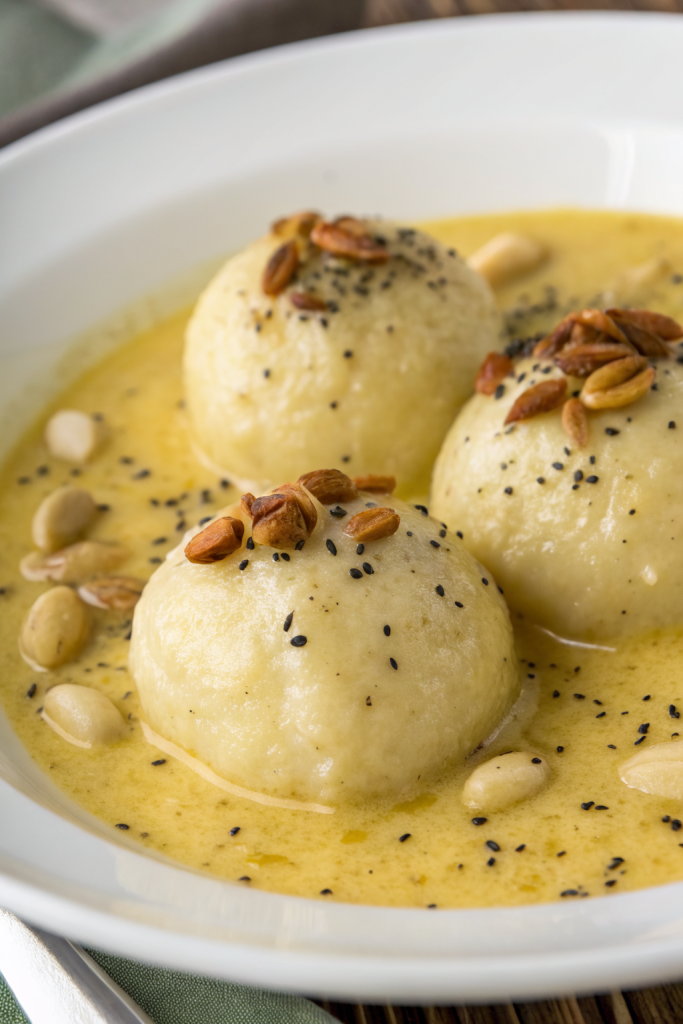
Pesto Potato Salad tastes bright, herby, creamy, and a little tangy, like classic potato salad that went on vacation in Italy and came back with better style. It works for anyone who wants a fresh, make-ahead side dish in under 45 minutes that still feels special enough for cookouts, potlucks, and weeknight dinners. I first made this on a sweltering July afternoon in my tiny apartment kitchen, and my friends scraped the bowl so clean I almost didn’t need to wash it.
Why Make This Pesto Potato Salad at Home
Homemade pesto potato salad tastes fresher than anything from a deli case. You control the salt, the herbs, and the richness, so the basil and garlic shine instead of a heavy mayo flavor.
You also pick the texture: super creamy, chunky, or somewhere in the middle. I like it slightly warm right after mixing, then chilled so the pesto sinks into every potato bite.
“This pesto potato salad vanished from our cookout table in under ten minutes, and everyone asked for the recipe. ★★★★★”
Ingredients You Need
Potatoes
- Baby gold potatoes or Yukon Golds, about 2 pounds
- Thin skins keep peeling optional and give a buttery texture.
- Red potatoes also work and hold their shape really well.
Pesto
Use homemade or store-bought pesto. I often grab a good refrigerated brand when I need a shortcut.
- Fresh basil leaves, packed, about 2 cups
- Pine nuts or walnuts
- Walnuts cost less and still taste great.
- Fresh garlic cloves
- Parmesan or Pecorino Romano, finely grated
- I like Parmigiano Reggiano for a nutty, salty kick.
- Extra-virgin olive oil
- Choose one you like the flavor of, since it stands front and center.
- Fresh lemon juice
- Brightens the pesto and balances the richness.
- Salt and black pepper
If you use a jarred pesto, taste it first. Some brands run salty, so you may need less added salt in the salad.
Creamy Base & Flavor Boosters
- Mayonnaise
- Use a brand you trust; I usually reach for Duke’s or Hellmann’s.
- Plain Greek yogurt or sour cream
- Adds tang and lightens the mayo so the salad does not feel heavy.
- Dijon mustard
- Adds a subtle sharpness that keeps the flavors lively.
- Red wine vinegar or more lemon juice
- A splash wakes everything up.
- Celery, finely chopped
- Red onion or shallot, very finely diced
- Fresh parsley, chopped
- Optional crunch: toasted sunflower seeds or chopped toasted nuts
Seasoning
- Kosher salt
- Freshly ground black pepper
- Crushed red pepper flakes (optional, for a tiny kick)
Equipment
- Large pot for boiling potatoes
- Colander
- Large mixing bowl
- Small bowl for dressing
- Food processor or blender for pesto (if making from scratch)
- Sharp knife and cutting board
- Rubber spatula or wooden spoon
Tips & Mistakes
- Cut potatoes into even pieces so they cook at the same rate.
- Salt the cooking water generously so the potatoes taste seasoned from the inside.
- Stop boiling when potatoes feel tender but still hold their shape; overcooked potatoes turn mushy.
- Drain potatoes well and let steam escape so the salad does not turn watery.
- Toss warm potatoes with a little vinegar or lemon juice so they soak up flavor.
- Cool potatoes slightly before adding mayo or yogurt so the dressing does not separate.
- Taste the pesto before seasoning; some jarred versions already contain lots of salt.
- Add pesto gradually until the salad looks glossy and green; too much can turn it oily.
- Chill the salad at least 30 minutes so flavors mingle, but stir gently before serving to refresh the texture.
- Adjust salt and acid right before serving, since cold food tastes less seasoned.
How to Make Pesto Potato Salad
Step 1: Boil and season the potatoes
Scrub the potatoes and cut them into bite-size chunks, about 1 to 1½ inches. Place them in a large pot and cover with cold water by about an inch, then add a generous pinch of salt. Bring to a gentle boil over medium-high heat, then lower to a simmer and cook until a fork slides in easily, about 10 to 15 minutes.
Drain the potatoes in a colander and let them sit a couple of minutes so steam escapes. Transfer them to a large mixing bowl. While still warm, sprinkle with a tablespoon of red wine vinegar or lemon juice and a pinch of salt, then toss gently.
Step 2: Make the pesto
Add basil, nuts, garlic, Parmesan, a pinch of salt, and a few grinds of black pepper to a food processor. Pulse until everything looks finely chopped. With the machine running, stream in olive oil until the mixture turns into a thick, pourable sauce.
Taste and adjust with more salt, pepper, or lemon juice as needed. The pesto should taste bright, garlicky, and a little salty, since it will coat plain potatoes. Set aside about ½ cup to fold into the salad, and keep extra on hand in case you want a stronger basil flavor.
Step 3: Mix the creamy dressing
In a small bowl, whisk together mayonnaise, Greek yogurt or sour cream, Dijon mustard, and a spoonful of pesto. Add a small splash of red wine vinegar or lemon juice, then season with salt and pepper. The dressing should taste tangy, herby, and creamy.
If it seems too thick, loosen it with a teaspoon of water or more lemon juice. If it tastes flat, add a pinch of salt or a bit more Dijon. You want it slightly stronger than you think, since cold potatoes mute flavor.
Step 4: Combine potatoes, pesto, and mix-ins
Add chopped celery, red onion or shallot, and parsley to the warm potatoes. Spoon the creamy pesto dressing over the top. Gently fold everything together so you coat the potatoes without smashing them.
Drizzle in more pesto as needed until the salad looks nicely green and glossy. Taste and adjust with more salt, pepper, or acid. If you like crunch, fold in toasted nuts or sunflower seeds right before serving.
Step 5: Chill and serve
Cover the bowl and chill the pesto potato salad for at least 30 minutes, or up to a day. Right before serving, give it a gentle stir and taste again. Add a spoonful of pesto, a squeeze of lemon, or a pinch of salt if the flavors need a boost.
Garnish with extra basil leaves, more chopped parsley, or a sprinkle of Parmesan. Serve slightly cool, not ice cold, so the flavors stand out.
Variations I've Tried
- Extra-green version: I blend in a handful of baby spinach or arugula with the basil pesto. This adds color and a peppery bite without more fat.
- No-mayo version: I skip mayo and use Greek yogurt plus olive oil and pesto. The salad tastes lighter and still creamy.
- Roasted potato version: I roast the potatoes with olive oil, salt, and pepper until crisp, then toss with pesto and a lighter yogurt dressing. This gives a crispy-outside, creamy-inside vibe.
- Caprese twist: I add halved cherry tomatoes and small mozzarella pearls, then finish with extra basil and a drizzle of balsamic glaze. It tastes like potato salad met caprese salad and they became best friends.
How to Serve Pesto Potato Salad
Serve pesto potato salad slightly chilled alongside grilled chicken, burgers, veggie skewers, or simple baked fish. It pairs nicely with fresh sides like cucumber salad, tomato salad, or a big green salad with lemony dressing. I also pack it into lunch boxes with sliced cucumbers, carrot sticks, and fruit. Leftovers work great as a base for a bowl with extra veggies and a hard-boiled egg on top.
How to store
- Fridge: Store pesto potato salad in an airtight container in the refrigerator for up to 3 to 4 days.
- Freezer: Skip freezing; the potatoes and creamy dressing lose their texture and turn grainy.
- Best reheating method: Serve it cold or at room temperature; do not reheat. To refresh leftovers, stir in a teaspoon of olive oil, a squeeze of lemon, and a pinch of salt, then let it sit at room temperature for 10 to 15 minutes before serving.
Pesto Potato Salad
Ingredients
Instructions
- Place the potato chunks in a large pot and cover with cold water by about 1 inch. Add a generous pinch of kosher salt.
- Bring to a gentle boil over medium-high heat, then reduce to a simmer and cook until a fork slides into the potatoes easily, about 10 to 15 minutes.
- Drain the potatoes in a colander and let them sit for a couple of minutes so excess steam escapes.
- Transfer the warm potatoes to a large mixing bowl. Sprinkle with the red wine vinegar or lemon juice and a pinch of salt, then toss gently to coat.
- Add the basil, pine nuts or walnuts, garlic, grated cheese, a pinch of salt, and a few grinds of black pepper to a food processor.
- Pulse until the mixture is finely chopped.
- With the machine running, slowly stream in the olive oil until the pesto forms a thick, pourable sauce.
- Taste and adjust with more salt, pepper, or lemon juice if using. The pesto should taste bright, garlicky, and a little salty. Set aside about 1/2 cup for the salad.
- In a small bowl, whisk together the mayonnaise, Greek yogurt or sour cream, Dijon mustard, and 1 to 2 tablespoons of the prepared pesto.
- Add the red wine vinegar or lemon juice, then season with a pinch of salt and pepper.
- Taste and adjust the thickness and flavor, adding a splash of water or more lemon juice to loosen, or more salt and Dijon if it tastes flat.
- Add the chopped celery, red onion or shallot, and parsley to the warm potatoes.
- Spoon the creamy pesto dressing over the potatoes.
- Gently fold everything together with a spatula or wooden spoon, coating the potatoes without smashing them.
- Drizzle in about 1/2 cup of pesto, folding gently until the salad looks evenly green and glossy. Add more pesto to taste, if desired.
- Season with additional salt, black pepper, and crushed red pepper flakes if using. Fold in toasted sunflower seeds or toasted nuts just before serving, if you like extra crunch.
- Cover the bowl and refrigerate the pesto potato salad for at least 30 minutes, or up to 1 day, to let the flavors mingle.
- Before serving, give the salad a gentle stir and taste. Add a spoonful of pesto, a squeeze of lemon, or a pinch of salt if the flavors need a boost.
- Serve slightly cool, garnished with extra basil, more chopped parsley, or a sprinkle of Parmesan if desired.
Notes
Approximate per serving (1/8 of recipe): 260–310 calories; fat 18–22 g; saturated fat 4–6 g; carbohydrates 22–26 g; fiber 2–3 g; sugars 2–3 g; protein 5–7 g; sodium 260–380 mg. Values will vary based on potato type, pesto brand or homemade variation, and exact mayonnaise, yogurt, and cheese used.
Leave a Reply