
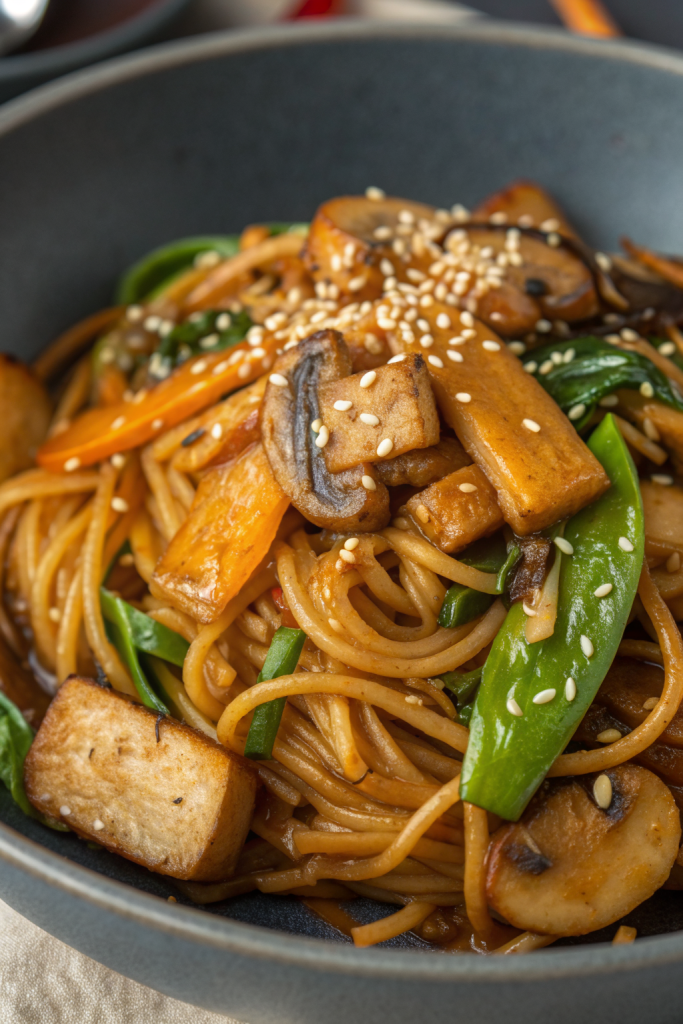
Quick Yaki Udon Recipe hits that perfect spot between chewy noodles, smoky-sweet sauce, and a little buttery richness that tastes like your favorite Japanese takeout in a single pan. It works for busy weeknights, beginner cooks, and anyone who wants a 20-minute dinner that feels special without a sink full of dishes. I tested this version on a Tuesday when I almost ordered delivery, and it absolutely saved my mood and my wallet.
Why Make This Quick Yaki Udon Recipe at Home
You control the flavor, the veggies, and the sauce level, so every bowl fits your taste instead of a random takeout mood. The noodles stay extra bouncy, the sauce clings to every strand, and you skip the greasy after-feel that sometimes shows up with restaurant versions.
You also need just one pan, a cutting board, and about 20 minutes of actual effort. Cleanup stays easy, ingredients stay flexible, and you can use whatever veggies hang out in your fridge.
“This Quick Yaki Udon Recipe tastes like a cozy noodle shop dinner that magically appears in 20 minutes, and I’d happily eat it three nights a week. ★★★★★”
Ingredients You Need
Here is what you need for a classic, flexible Quick Yaki Udon Recipe that tastes like a Japanese-style stir fried noodle dish. I include some pantry shortcuts and swaps so you can cook with what you already have.
Udon & Protein
- 2 packs frozen udon noodles (about 8 to 9 ounces each)
- Frozen udon gives the best chewy texture and cooks quickly.
- Use shelf-stable udon if needed; just boil 1 to 2 minutes less than package directions so the noodles stay firm.
- 6 to 8 ounces thinly sliced beef, pork, chicken thigh, or extra-firm tofu
- I like thinly sliced ribeye or pork shoulder for a more classic yaki udon vibe.
- Use pressed tofu or tempeh for a vegetarian version.
- 1 tablespoon cornstarch (optional, for coating meat or tofu)
- This helps the protein brown and stay juicy.
Vegetables
Use a mix of crunchy and soft veggies so the stir fry has texture.
- 1 small onion, thinly sliced
- 1 small carrot, cut into matchsticks or thin coins
- 1 cup shredded green cabbage or coleslaw mix
- ½ red bell pepper, thinly sliced
- 2 to 3 scallions, sliced (white and green parts separated)
- 1 cup mushrooms, sliced (shiitake, cremini, or button)
- 1 small handful bean sprouts (optional, for crunch)
You can swap in broccoli, snow peas, snap peas, or baby spinach. Use up leftover veggies so nothing goes to waste.
Sauce
This sauce tastes savory, slightly sweet, and a little smoky. It coats the noodles instead of pooling at the bottom of the pan.
- 3 tablespoons soy sauce
- Use low-sodium if you prefer less salt.
- 1 tablespoon oyster sauce
- Use vegetarian mushroom stir fry sauce if you avoid shellfish.
- 1 tablespoon Worcestershire sauce
- Japanese-style Worcestershire tastes great, but any brand works.
- 1 to 1½ tablespoons mirin or seasoned rice vinegar
- 1 tablespoon sugar or honey
- 1 teaspoon toasted sesame oil
- 1 to 2 teaspoons sriracha or chili paste (optional, for heat)
Aromatics & Cooking Fats
- 2 tablespoons neutral oil (canola, avocado, or grapeseed)
- 1 tablespoon unsalted butter
- 3 cloves garlic, minced
- 1 teaspoon fresh ginger, minced or grated
Toppings
- Toasted sesame seeds
- Extra scallion greens, sliced
- Japanese mayo (optional, drizzle on top)
- Shichimi togarashi or crushed red pepper (optional, for spice)
Equipment
- Large nonstick skillet, sauté pan, or wok
- Tongs or chopsticks for tossing noodles
- Small bowl for mixing sauce
- Pot or kettle for loosening frozen udon with hot water
Tips & Mistakes
- Use frozen udon when possible, since it stays chewy and springy after stir frying.
- Loosen frozen udon in hot water just until the strands separate, then drain well so the noodles do not turn soggy.
- Slice protein and veggies thinly so they cook quickly and brown instead of steaming.
- Dry your protein with paper towels and coat it lightly with cornstarch so it sears nicely and does not stick.
- Pre-mix the sauce in a bowl so you do not scramble to measure while the veggies cook.
- Heat the pan until the oil shimmers so the noodles and meat pick up a light char and smoky flavor.
- Avoid crowding the pan; cook protein in batches if needed so it browns instead of steaming.
- Add cabbage and softer veggies later in the cooking process so they keep some crunch.
- Toss noodles gently with tongs so they do not break into short pieces.
- Taste the noodles at the end and adjust with a splash of soy sauce for salt or mirin/sugar for sweetness.
How to Make Quick Yaki Udon Recipe
Step 1: Sauté veggies and aromatics
Heat oil in a large skillet or wok over medium-high heat. Add onions and carrots and cook until they start to soften, about 4 to 5 minutes. Stir in garlic, ginger, mushrooms, and the white parts of the scallions and cook 1 to 2 minutes, until the kitchen smells amazing. Season lightly with salt.
Step 2: Cook the protein
Push the veggies to the edges of the pan. Add a small drizzle of oil in the center, then add your sliced meat or tofu in a single layer. Cook without moving it for 1 to 2 minutes so it browns, then stir and cook until it loses its raw color and cooks through. Turn the heat to medium if the pan starts to smoke too much.
Step 3: Mix the sauce
While the protein cooks, whisk soy sauce, oyster sauce, Worcestershire, mirin, sugar, sesame oil, and chili sauce in a small bowl. Taste the sauce and adjust the sweetness or salt to your liking. Keep the bowl near the stove so you can pour it in as soon as the noodles go into the pan.
Step 4: Prep the udon noodles
Place frozen udon blocks in a large bowl and pour hot tap water or just-boiled water over them. Gently separate the noodles with chopsticks or tongs until they loosen, then drain well. Shake off extra water so it does not water down the sauce.
Step 5: Stir fry noodles with sauce
Add the drained udon noodles to the pan with the veggies and protein. Pour the sauce over everything and toss with tongs so the noodles soak up the sauce and the veggies spread evenly. Add cabbage, bell pepper, and bean sprouts and cook 2 to 3 minutes, until the noodles look glossy and the veggies turn crisp-tender.
Step 6: Finish with butter and toppings
Turn the heat to low and add the butter. Toss until the butter melts and coats the noodles, which gives that restaurant-style richness. Sprinkle in the scallion greens and sesame seeds, then taste and adjust seasoning before serving.
Variations I've Tried
I swap the meat for shrimp and cook it quickly at the start, then add it back in at the end so it stays tender. I also make a vegetarian Quick Yaki Udon Recipe with tofu, extra mushrooms, and a splash of mushroom soy sauce for deeper flavor.
Sometimes I turn it into a spicy version with extra chili paste, shichimi togarashi, and a drizzle of Japanese mayo on top. My kids love a milder version with extra cabbage, corn, and a little extra sugar in the sauce, so the noodles taste slightly sweeter.
How to Serve Quick Yaki Udon Recipe
Serve Quick Yaki Udon Recipe straight from the pan while the noodles still feel hot and bouncy. Top each bowl with extra scallions, sesame seeds, and a light drizzle of Japanese mayo if you enjoy that creamy contrast. Pair it with miso soup, a simple cucumber salad, or steamed edamame for a full meal that still feels easy. Leftovers also taste great in a lunch box with some sliced fruit on the side.
How to store
- Cool leftovers to room temperature within 30 to 40 minutes, then store them in an airtight container in the fridge for up to 3 days.
- Freeze portions in freezer-safe containers or bags for up to 2 months, and press out extra air to avoid ice crystals.
- Reheat on the stove over medium heat with a splash of water or broth, and toss until the noodles loosen and heat through.
- Use the microwave for a quick lunch, cover the bowl loosely, and stir halfway so the noodles heat evenly.

Quick Yaki Udon Recipe
Ingredients
Instructions
- Heat the neutral oil in a large skillet or wok over medium-high heat.
- Add the sliced onions and carrots and cook until they start to soften, about 4 to 5 minutes.
- Stir in the garlic, ginger, mushrooms, and the white parts of the scallions and cook for 1 to 2 minutes, until fragrant. Season lightly with salt.
- If using, pat the protein dry and lightly coat with cornstarch.
- Push the veggies to the edges of the pan. Add a small drizzle of oil in the center, then add the sliced meat or tofu in a single layer.
- Cook without moving for 1 to 2 minutes to brown, then stir and cook until it loses its raw color and is cooked through, reducing heat to medium if the pan smokes.
- While the protein cooks, whisk together the soy sauce, oyster sauce, Worcestershire sauce, mirin or seasoned rice vinegar, sugar or honey, toasted sesame oil, and sriracha or chili paste in a small bowl.
- Taste and adjust sweetness or salt to your liking, then keep the sauce near the stove.
- Place the frozen udon blocks in a large bowl and pour hot tap water or just-boiled water over them.
- Gently separate the noodles with chopsticks or tongs until loosened, then drain well and shake off excess water.
- Add the drained udon noodles to the pan with the veggies and protein.
- Pour the prepared sauce over everything and toss with tongs so the noodles are evenly coated.
- Add the cabbage, bell pepper, and bean sprouts and cook for 2 to 3 minutes, until the noodles look glossy and the vegetables are crisp-tender.
- Reduce the heat to low and add the butter, tossing until it melts and coats the noodles.
- Sprinkle in the scallion greens and toasted sesame seeds, then taste and adjust seasoning if needed.
- Serve hot, topping each bowl with extra scallions, sesame seeds, and a drizzle of Japanese mayo and shichimi togarashi or crushed red pepper if desired.
Notes
Approximate per serving (1/4 of recipe): 520 calories; fat 19 g; saturated fat 6 g; carbohydrates 71 g; fiber 5 g; sugars 13 g; protein 18 g; sodium 1450 mg. Values will vary based on specific ingredients, protein choice, and portion size.