
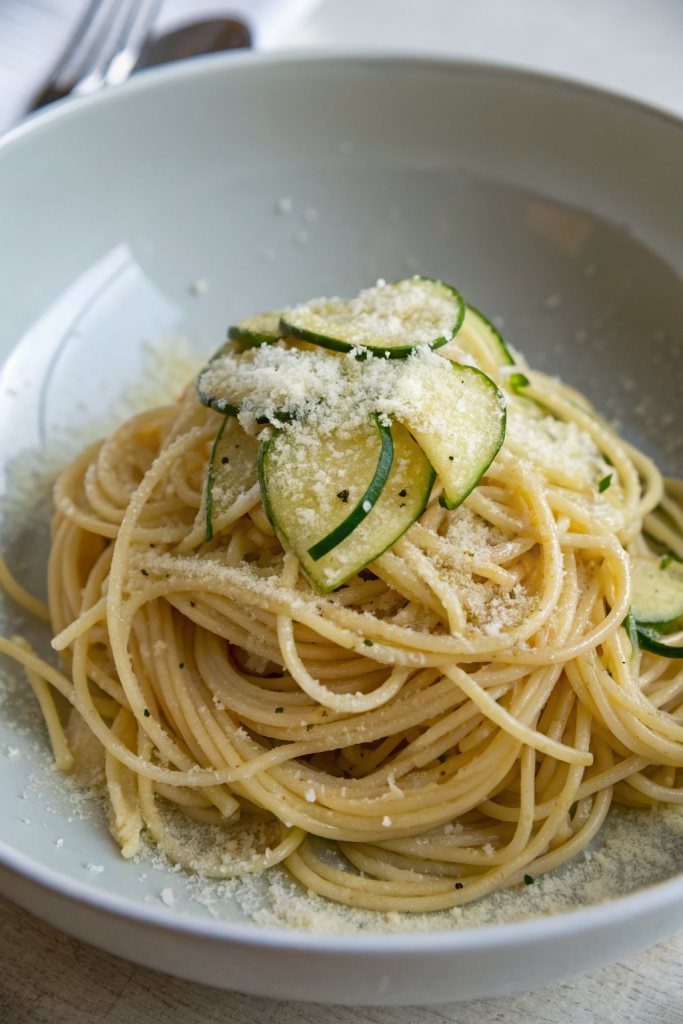
Stanley Tucci's Zucchini Pasta Recipe tastes silky, rich, and surprisingly luxurious for something that stars humble zucchini, and it works perfectly for busy weeknights or cozy date nights in under about 1 hour total. It suits vegetarians, pasta lovers, and anyone who wants restaurant-level comfort food without leaving the house. I first tried this after a long shoot day, ate it straight from the pan, and immediately knew it belonged in my regular rotation.
Why Make This Stanley Tucci's Zucchini Pasta Recipe at Home
You turn simple zucchini into a creamy, almost saucy coating that hugs every strand of pasta. The flavor hits that sweet spot between light and indulgent, with browned zucchini, garlic, and cheese doing all the heavy lifting.
You also control the salt, the oil, and the texture, which helps if you like your pasta al dente and your zucchini deeply caramelized. The recipe uses basic pantry ingredients, so you skip a grocery marathon and still plate something that feels special.
This Stanley Tucci's Zucchini Pasta Recipe tastes like a fancy trattoria dish that somehow sneaked out of the kitchen and landed in your weeknight dinner rotation. ★★★★★
Ingredients You Need
Here is what you need to make Stanley Tucci's Zucchini Pasta Recipe at home. I include a few notes so you can use what you already keep in your pantry.
Zucchini & aromatics
- Zucchini:
- 4 to 5 medium zucchini, thinly sliced into coins or half-moons
- Choose firm zucchini with shiny skin and no soft spots
- Onion (optional but tasty):
- 1 small yellow onion, thinly sliced
- Garlic:
- 3 to 4 cloves, thinly sliced or minced
Pasta & fat
- Pasta:
- 12 ounces to 1 pound dried pasta, usually spaghetti, linguine, or bucatini
- Use a good-quality Italian brand like De Cecco or Barilla for better texture
- Olive oil:
- About 1/3 to 1/2 cup extra-virgin olive oil, enough to coat the pan generously
- You can mix in a little neutral oil if you want to stretch the good stuff
Cheese & seasoning
- Pecorino Romano or Parmesan:
- 1 to 1 1/2 cups finely grated
- Pecorino gives a sharper, saltier bite; Parmesan tastes a bit nuttier and milder
- Salt:
- Kosher salt for the pasta water and zucchini
- Black pepper:
- Freshly ground, to taste
- Red pepper flakes (optional):
- A pinch or two, if you like a little heat
Fresh herbs & extras
- Fresh basil:
- A handful of leaves, torn or sliced, for serving
- Lemon zest (optional):
- From 1/2 lemon, to brighten the richness
- Butter (optional):
- 1 to 2 tablespoons, if you want a richer, silkier finish
Equipment list
- Large, wide skillet or sauté pan
- A nonstick or well-seasoned pan helps the zucchini brown without sticking
- Large pot for boiling pasta
- Tongs or pasta fork
- Fine grater or Microplane for cheese
- Cutting board and sharp knife
- Heatproof measuring cup for pasta water
Tips & Mistakes
- Slice zucchini thin and even, so it softens and browns at the same rate.
- Salt the zucchini lightly at the start, so it releases moisture and concentrates flavor.
- Avoid crowding the pan; cook zucchini in batches if needed so it caramelizes instead of steaming.
- Keep the heat at medium to medium-high, so the zucchini browns without burning the garlic.
- Stir occasionally, not constantly, so the zucchini gets color on each side.
- Save at least 1 1/2 cups of starchy pasta water; it turns the zucchini and cheese into a silky sauce.
- Add cheese off the heat, then loosen with hot pasta water, so the sauce turns creamy instead of clumpy.
- Taste before adding extra salt, since Pecorino or Parmesan already brings a lot of saltiness.
- Cook pasta just shy of al dente, then finish it in the pan with the zucchini and sauce.
- Use a wide skillet for the final toss, so the pasta coats evenly and does not clump.
How to Make Stanley Tucci's Zucchini Pasta Recipe
Step 1: Prep the zucchini and aromatics
Wash the zucchini and trim the ends. Slice into thin coins, about 1/8 inch thick, or cut lengthwise in half and then into half-moons. Slice the onion and garlic, and grate the cheese so it stands ready.
Step 2: Brown the zucchini
Heat a generous layer of olive oil in a large skillet over medium to medium-high heat. Add enough zucchini to cover the bottom in a single layer, with a bit of space between pieces. Season lightly with salt, then cook, stirring every couple of minutes, until the zucchini turns golden and very soft, about 10 to 15 minutes per batch.
Transfer browned zucchini to a bowl and repeat with the remaining slices, adding more oil as needed. The zucchini should look almost jammy and collapsed, with deep caramelized spots. This step builds most of the flavor, so give it time and patience.
Step 3: Cook the aromatics
After you brown all the zucchini, lower the heat to medium. Add a little more olive oil if the pan looks dry. Add the sliced onion and cook until soft and lightly golden, about 5 to 7 minutes.
Stir in the garlic and a pinch of red pepper flakes if you use them. Cook about 1 minute, until the garlic smells fragrant and just starts to color. Add the browned zucchini back to the pan and stir everything together.
Step 4: Start the pasta
While the zucchini cooks, bring a large pot of water to a boil. Salt the water generously, so it tastes pleasantly salty. Add the pasta and cook until just shy of al dente, usually 1 to 2 minutes less than the package suggests.
Before you drain the pasta, scoop out at least 1 1/2 cups of the starchy cooking water. Drain the pasta, then keep it nearby while you finish the sauce.
Step 5: Build the zucchini sauce
Use a spoon or spatula to gently mash some of the zucchini in the pan. Keep some pieces intact, so you get a mix of creamy and chunky texture. Add a small splash of pasta water, about 1/4 cup, and stir until the zucchini loosens into a rough sauce.
Taste and adjust salt and pepper. If you want extra richness, stir in a tablespoon or two of butter until it melts into the zucchini mixture. Keep the pan on low heat while you move to the next step.
Step 6: Toss pasta with zucchini
Add the hot pasta directly into the skillet with the zucchini mixture. Toss or stir vigorously so every strand picks up the sauce. Add more pasta water, a little at a time, until the pasta looks glossy and lightly coated, not dry or soupy.
Let the pasta simmer in the pan for 1 to 2 minutes, so it finishes cooking and absorbs flavor. Turn off the heat before you add the cheese.
Step 7: Add cheese and finish
Sprinkle in most of the grated Pecorino or Parmesan with the heat off. Toss quickly, adding splashes of hot pasta water as needed, until the cheese melts and forms a creamy coating with the zucchini. Aim for a silky, slightly loose sauce, since it thickens as it sits.
Taste again and adjust with more cheese, black pepper, or a pinch of salt. Add lemon zest if you like a bright note. Scatter torn basil over the top and give everything a final gentle toss.
Step 8: Plate and garnish
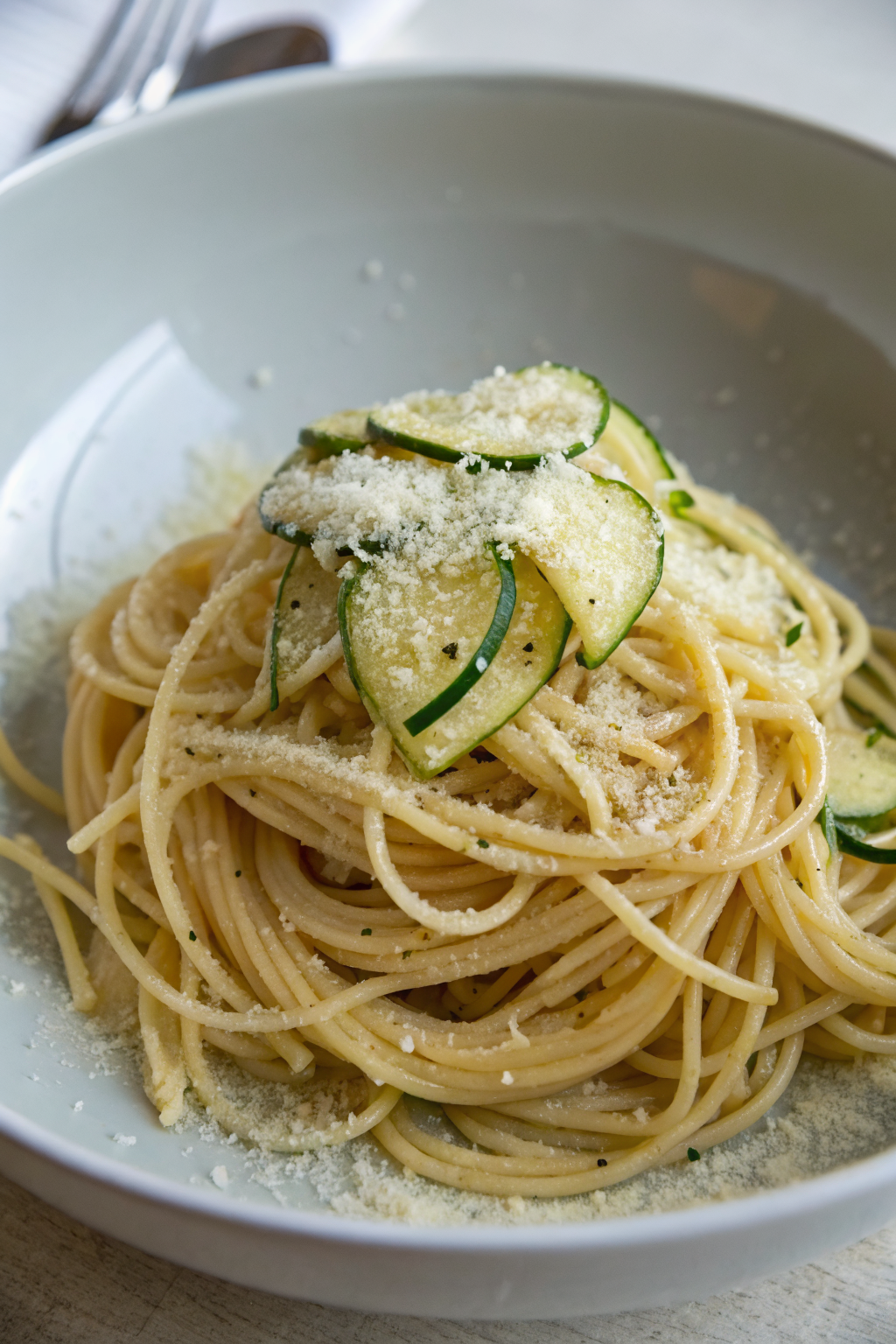
Twirl the pasta into bowls or onto plates. Spoon extra zucchini bits on top, so everyone sees the star of the show. Finish with a little more grated cheese, black pepper, and basil.
Serve right away while the sauce still shines and the pasta tastes hot and tender.
Variations I've Tried
I sometimes add a handful of frozen peas in the last few minutes of cooking the pasta for extra sweetness and color. A few thin strips of zucchini blossom on top look pretty and taste delicate if you find them at a market.
You can swap half the zucchini for yellow summer squash, which adds a slightly different sweetness and a nice color mix. I also tried a version with a spoonful of ricotta stirred in at the end, which turned the sauce extra creamy and almost decadent.
If you want more protein, add cooked chickpeas to the pan with the zucchini, or top each bowl with a soft-boiled or jammy egg. A sprinkle of toasted pine nuts or walnuts on top adds crunch and a nutty note.
How to Serve Stanley Tucci's Zucchini Pasta Recipe
Serve Stanley Tucci's Zucchini Pasta Recipe hot, straight from the pan, with extra grated cheese and basil on the table so everyone can customize their bowl. A simple green salad with lemony dressing or sliced tomatoes with olive oil and salt pairs nicely and keeps the meal light. Garlic bread or warm crusty bread helps scoop up any leftover sauce on the plate.
For drinks, try sparkling water with citrus slices, iced tea with lemon, or a fruity mocktail with berries and mint. This pasta works well as a main course, but you can also serve smaller portions as a starter for a bigger Italian-style meal.
How to store
- Fridge: Cool leftovers to room temperature, then store in an airtight container in the fridge for up to 3 days.
- Freezer: Freeze portions in freezer-safe containers for up to 2 months, and press plastic wrap directly on top to reduce ice crystals.
- Reheating on stove: Reheat gently in a skillet over low to medium heat with a splash of water or broth, and stir until the sauce loosens and the pasta heats through.
- Reheating in microwave: Reheat in short bursts, about 45 to 60 seconds at a time, stirring and adding a spoonful of water if it looks dry.
- Freshen before serving: Top reheated pasta with a little extra grated cheese, black pepper, and fresh basil to bring the flavors back to life.
Stanley Tucci's Zucchini Pasta Recipe
Ingredients
Instructions
- Wash the zucchini and trim the ends. Slice into thin coins about 1/8 inch thick, or cut lengthwise into halves and then into half-moons.
- Thinly slice the onion if using, and slice or mince the garlic. Finely grate the cheese and set aside.
- Heat a generous layer of olive oil in a large, wide skillet over medium to medium-high heat.
- Add enough zucchini to cover the bottom of the pan in a single layer with a little space between slices. Lightly season with salt.
- Cook, stirring every couple of minutes, until the zucchini is deeply golden, very soft, and beginning to collapse, about 10–15 minutes per batch. Avoid crowding the pan; cook in batches and add more oil as needed.
- Transfer each batch of browned zucchini to a bowl. The finished zucchini should look almost jammy with caramelized spots.
- Reduce the skillet heat to medium. If the pan looks dry, add a little more olive oil.
- Add the sliced onion and cook, stirring occasionally, until soft and lightly golden, about 5–7 minutes.
- Stir in the garlic and a pinch of red pepper flakes if using. Cook for about 1 minute, just until fragrant and starting to color.
- Return all the browned zucchini to the pan and stir to combine with the aromatics.
- While the zucchini cooks, bring a large pot of water to a boil. Salt it generously so it tastes pleasantly salty.
- Add the pasta and cook until just shy of al dente, usually 1–2 minutes less than the package directions.
- Before draining, reserve at least 1 1/2 cups of starchy pasta cooking water. Drain the pasta and set aside.
- Over low heat, gently mash some of the zucchini in the skillet with a spoon or spatula, leaving some pieces intact for texture.
- Add about 1/4 cup of the reserved pasta water and stir until the zucchini loosens into a rough, creamy sauce.
- Taste and season with more salt and black pepper as needed. Stir in 1–2 tablespoons of butter if you want a richer, silkier sauce. Keep the heat on low.
- Add the hot pasta directly into the skillet with the zucchini mixture. Toss or stir vigorously to coat the pasta in the sauce.
- Add more reserved pasta water a little at a time until the pasta looks glossy and lightly coated, not dry or soupy. Let it simmer in the pan for 1–2 minutes to finish cooking and absorb flavor.
- Turn off the heat. Sprinkle in most of the grated Pecorino or Parmesan and toss quickly, adding splashes of hot pasta water as needed to form a smooth, creamy sauce that clings to the pasta.
- Taste and adjust with more cheese, black pepper, or a pinch of salt. Add lemon zest if you like a bright, fresh note.
- Twirl the pasta into warm bowls or plates. Spoon any extra zucchini over the top so it is visible.
- Garnish with torn fresh basil leaves and an extra sprinkle of grated cheese and black pepper.
- Serve immediately while hot and silky.
Notes
Approximate per serving (4 servings, made with 12 oz pasta, 1/3 cup olive oil, 1 cup Parmesan, no butter): 540 calories; fat 21 g; saturated fat 7 g; carbohydrates 70 g; fiber 5 g; sugars 7 g; protein 22 g; sodium 520 mg. Using more oil, more cheese, butter, or a full pound of pasta will increase these numbers. Values are estimates and will vary based on exact ingredients, brands, and portion size.
Leave a Reply