
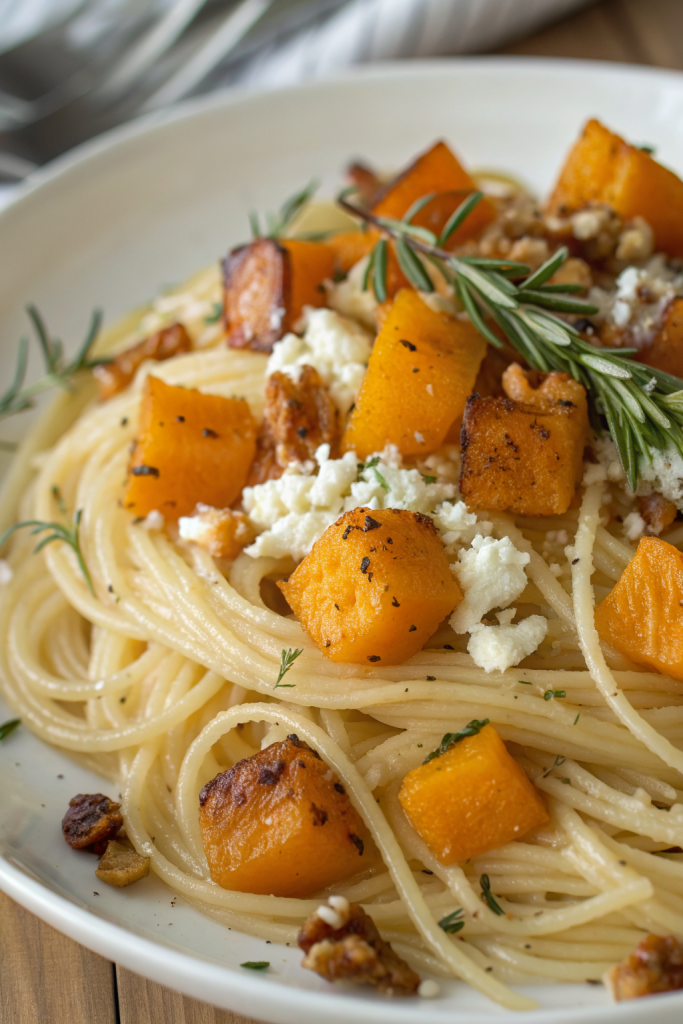
Baked Feta Butternut Squash Pasta Recipe tastes creamy, cozy, a little tangy, and just sweet enough from the roasted squash. It works perfectly for busy weeknights or casual dinner parties and takes about an hour start to finish. I first tested this on a Tuesday in sweatpants, and my family still talks about “that orange pasta night.”
Why Baked Feta Butternut Squash Pasta Recipe Is Worth It
This pasta hits that sweet spot between comfort food and “hey, there’s a vegetable in here.” The baked feta melts into the roasted butternut squash and garlic, so you get a silky, salty sauce without heavy cream.
You roast everything on one pan, blend, then toss with hot pasta, so cleanup stays pretty painless. The recipe also works well for meal prep, since the sauce reheats like a dream and clings to noodles instead of turning watery.
“This Baked Feta Butternut Squash Pasta Recipe tastes like fancy restaurant comfort food that secretly started with a sheet pan and a block of cheese. ★★★★★”
Ingredients You Need
Produce
- 1 medium butternut squash (about 2 ½–3 pounds), peeled, seeded, and cubed
- 1 small yellow onion, sliced
- 4–6 garlic cloves, peeled (use more if you love garlic)
- 1 small lemon, zested and juiced
- Fresh sage leaves (about 6–8), or 1 teaspoon dried sage
- Fresh thyme sprigs (3–4), or 1 teaspoon dried thyme
- Optional: handful of baby spinach or kale for tossing in at the end
Dairy
- 1 block feta cheese, 8 ounces (use full-fat Greek-style feta in brine for best texture)
- ¼–½ cup grated Parmesan or Pecorino Romano, plus more for serving
Pantry
- 12 ounces short pasta (rigatoni, fusilli, penne, or shells hold the sauce best)
- 3–4 tablespoons extra-virgin olive oil
- ½ teaspoon crushed red pepper flakes (adjust to taste)
- ½–1 teaspoon smoked paprika (adds depth and a subtle smoky note)
- ½ teaspoon ground nutmeg (pairs beautifully with squash)
- ½–1 teaspoon dried Italian seasoning (optional but handy pantry shortcut)
- Kosher salt
- Freshly ground black pepper
Liquids
- ½–1 cup pasta cooking water (starchy water helps the sauce cling)
- ¼–½ cup low-sodium vegetable broth or chicken broth (optional, for thinning sauce)
Optional toppings
- Toasted walnuts or pecans, roughly chopped
- Toasted panko breadcrumbs
- Extra lemon zest
- Extra red pepper flakes
Equipment
- Large rimmed sheet pan
- Parchment paper (helps with cleanup but not required)
- Large pot for boiling pasta
- High-speed blender or food processor
- Tongs or large spoon for tossing pasta
- Chef’s knife and cutting board
Quick Tips & substitutions
- Cut the butternut squash into even cubes so everything roasts at the same rate.
- Use pre-cut butternut squash from the store when you feel short on time or patience.
- Choose feta in brine instead of pre-crumbled; it melts creamier and tastes richer.
- Swap butternut squash with peeled sweet potatoes or kabocha squash if needed.
- Use gluten-free pasta if you avoid gluten; chickpea or lentil pasta also works.
- Thin the sauce with pasta water a little at a time so you keep it thick and glossy.
- Add spinach or kale to the hot pasta right before serving for extra greens.
- Toss in cooked chicken sausage, shredded rotisserie chicken, or crispy chickpeas for more protein.
- Roast the garlic cloves with the peel on if they seem small, then squeeze them out after baking.
- Taste the sauce before adding extra salt, since feta and Parmesan already bring plenty of saltiness.
How to Make Baked Feta Butternut Squash Pasta Recipe
Step 1: Prep and roast the squash and feta
Preheat the oven to 400°F (200°C). Line a large sheet pan with parchment for easier cleanup. Spread the cubed butternut squash, sliced onion, and garlic cloves on the pan.
Nestle the block of feta right in the center of the vegetables. Drizzle everything with olive oil, then sprinkle with salt, pepper, smoked paprika, nutmeg, Italian seasoning, and red pepper flakes. Toss the vegetables lightly with your hands, then keep the feta in the center so it bakes and softens.
Slide the pan into the oven and roast for 30–35 minutes. Stir the vegetables halfway through so the edges caramelize and soften evenly. Pull the pan when the squash turns fork-tender, the onions look golden, and the feta browns slightly on top and softens.
Step 2: Boil the pasta
While the sheet pan roasts, bring a large pot of salted water to a boil. Add the pasta and cook until al dente, following the package time but start checking a minute early. Scoop out at least 1 cup of starchy pasta water, then drain the pasta.
Keep the pasta in the warm pot and drizzle with a splash of olive oil so the noodles do not clump. Cover the pot loosely while you blend the sauce. This keeps the pasta hot and ready for tossing.
Step 3: Blend the butternut feta sauce
Transfer the roasted feta, squash, onion, and garlic to a blender or food processor. Add lemon zest, a squeeze of lemon juice, a small splash of pasta water, and a few fresh sage leaves and thyme leaves. Blend until the mixture turns very smooth and creamy.
Check the thickness and add more pasta water or a splash of broth until you reach a pourable but thick sauce. Taste and adjust with more lemon juice, salt, or red pepper flakes. The sauce should taste slightly tangy, savory, and a little sweet from the squash.
Step 4: Toss pasta with sauce
Pour the sauce over the hot pasta in the pot. Toss with tongs until every piece of pasta wears a generous coat of sauce. If the mixture looks too thick, loosen it with another splash of warm pasta water.
Stir in grated Parmesan and any greens, like spinach or chopped kale, so they wilt into the hot pasta. Taste again and adjust seasoning with salt, pepper, or more lemon zest. The pasta should look glossy and clingy, not soupy.
Step 5: Finish and serve
Spoon the Baked Feta Butternut Squash Pasta into warm bowls. Top with extra Parmesan, red pepper flakes, and a sprinkle of toasted nuts or breadcrumbs for crunch. Add a few fresh herb leaves on top if you want a little color and freshness.
Serve right away while the sauce stays hot and velvety. Expect people to ask where you hid the cream, then enjoy the look on their faces when you say, “It came from squash and feta.”
Recipe Variations
- Gluten-free: Use your favorite gluten-free pasta and check labels on broth and feta.
- Vegan: Swap feta with a vegan feta block and use nutritional yeast instead of Parmesan.
- Low carb: Toss the sauce with roasted cauliflower florets or zucchini noodles instead of pasta.
- Extra protein: Add cooked chicken sausage, grilled chicken, or pan-seared shrimp.
- Spicier version: Double the red pepper flakes or blend in a spoonful of Calabrian chili paste.
- Herb-forward: Add extra sage, thyme, or a handful of fresh basil at the end.
- Extra veggie: Stir in roasted Brussels sprouts, broccoli, or peas with the pasta.
Ways to Serve Baked Feta Butternut Squash Pasta Recipe
- Pair with a simple green salad with lemony vinaigrette.
- Serve alongside roasted broccoli or green beans.
- Add garlic bread or warm crusty bread for scooping up extra sauce.
- Pack leftovers in a thermos for a cozy work or school lunch.
- Plate smaller portions as a side dish next to grilled chicken or baked salmon.
Storage Success
Store leftover Baked Feta Butternut Squash Pasta in an airtight container in the fridge for up to 3–4 days. Add a small splash of water or broth before reheating so the sauce loosens and turns silky again. Reheat on the stovetop over low heat or in the microwave, stirring halfway so everything heats evenly. Skip freezing the finished pasta, but you can freeze the blended sauce by itself for up to 2 months and thaw it overnight in the fridge before tossing with fresh hot pasta.
Baked Feta Butternut Squash Pasta Recipe
Ingredients
Instructions
- Preheat the oven to 400°F (200°C). Line a large rimmed sheet pan with parchment paper if desired.
- Spread the cubed butternut squash, sliced onion, and garlic cloves on the pan.
- Nestle the block of feta in the center of the vegetables. Drizzle everything with olive oil, then season with kosher salt, black pepper, smoked paprika, nutmeg, Italian seasoning, and red pepper flakes. Toss the vegetables lightly, keeping the feta in the center.
- Roast for 30–35 minutes, stirring the vegetables halfway through, until the squash is fork-tender, the onions are golden, and the feta is lightly browned and softened.
- While the sheet pan is in the oven, bring a large pot of salted water to a boil. Add the pasta and cook until al dente according to package directions, checking a minute early.
- Reserve at least 1 cup of starchy pasta cooking water, then drain the pasta. Return the pasta to the warm pot, drizzle with a splash of olive oil to prevent clumping, and cover loosely to keep warm.
- Transfer the roasted butternut squash, onion, garlic, and feta to a high-speed blender or food processor.
- Add the lemon zest, a squeeze of lemon juice, a small splash of pasta water, and the sage leaves and thyme leaves.
- Blend until very smooth and creamy, adding more pasta water or a splash of broth as needed to reach a thick, pourable consistency.
- Taste the sauce and adjust with more lemon juice, red pepper flakes, salt, or pepper. It should taste tangy, savory, and slightly sweet from the squash.
- Pour the hot butternut feta sauce over the warm pasta in the pot. Toss with tongs until the pasta is evenly coated. If it seems too thick, loosen with a little more warm pasta water.
- Stir in the grated Parmesan and any spinach or chopped kale so the greens wilt into the hot pasta. Taste and adjust seasoning with additional salt, pepper, or lemon zest as needed.
- Spoon the pasta into warm bowls. Top with extra Parmesan, red pepper flakes, and toasted nuts or breadcrumbs if using, along with a few fresh herb leaves for color.
- Serve immediately while the sauce is hot and velvety.
Notes
Approximate per serving (1/6 of recipe, made with 12 oz pasta, 8 oz feta, 1/3 cup Parmesan, 3 tablespoons olive oil, and no optional toppings): 540 calories; fat 22 g; saturated fat 9 g; carbohydrates 68 g; fiber 6 g; sugars 7 g; protein 21 g; sodium 760 mg. Values are estimates and will vary based on exact ingredients, brands, and portion sizes.